What does it take to become great?
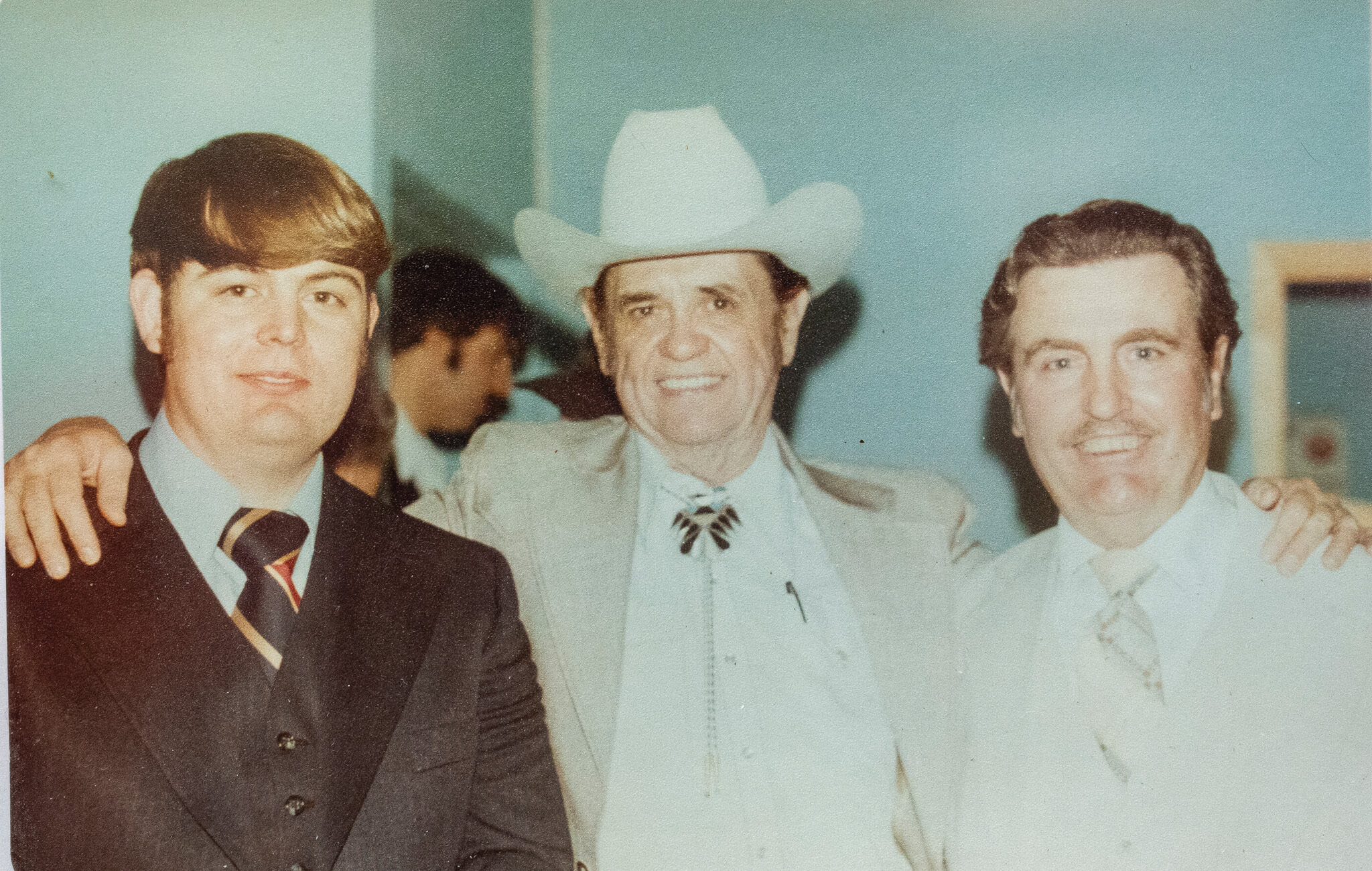
Mentorship and deliberate practice
YEARS AGO, I read Malcolm Gladwell’s book, Outliers, which popularized the idea that 10,000 hours of practice separates the great from the good. The figure traces back to research on violinists by psychologist Anders Ericsson. It’s a compelling number, but Ericsson’s actual point gets lost in the simplified version: it was never just about logging hours. It was about deliberate practice— training specifically designed to push you just past your current ability.
Repeating a task doesn’t cause growth. Real growth requires being pushed, corrected and stretched, again and again, by someone who can see what you can’t see in yourself.
That’s where mentors come in. Guitarist Eddie Pennington, shown above, knows that. Mentors are the most underrated variable in anyone’s development.
I think about my own path—I became a CEO at a young age, and frankly, was underprepared for the weight of the job. What carried me through wasn’t talent or hours logged—it was a couple of mentors who stepped in with hard-won advice: stay patient, stay calm and never make a major decision when you’re not in the right state of mind. That kind of wisdom usually takes a decade of mistakes to learn the hard way. A good mentor hands it to you early.
I also believe in natural ability— there’s something built into the truly elite that can’t be fully taught. But outside of a few fields, evidence suggests talent mostly affects how fast someone improves early on and whether they have the temperament to sustain years of difficult practice. The rest is built.
This applies to our cooperatives right now. Our lineworker training has changed drastically, with simulation tools now compressing years of rare, high-stakes scenarios into repeatable practice.
Our engineers and accountants face a different challenge: new technology can speed up fluency with certain tools, but it cannot speed up the time it takes to build real judgment. If anything, that gap is widening, which means deliberate mentorship matters more, not less. And our customer service teams handle increasingly complicated cases—work that requires more skill than before.
The tools will keep changing, but the path to greatness will not. Greatness is built through focused effort, sustained over time, guided by people who care enough to push you further than you’d push yourself.