Stay safe during an outage
Prepare now for severe weather
ICE, SNOW, WIND AND RAIN—these are just a few of the hazards that can cause unexpected power outages. It’s always inconvenient when the lights go out, but it doesn’t have to be dangerous. Here are a few steps you can take to be prepared while your electric cooperative works to restore power as quickly and safely as possible.
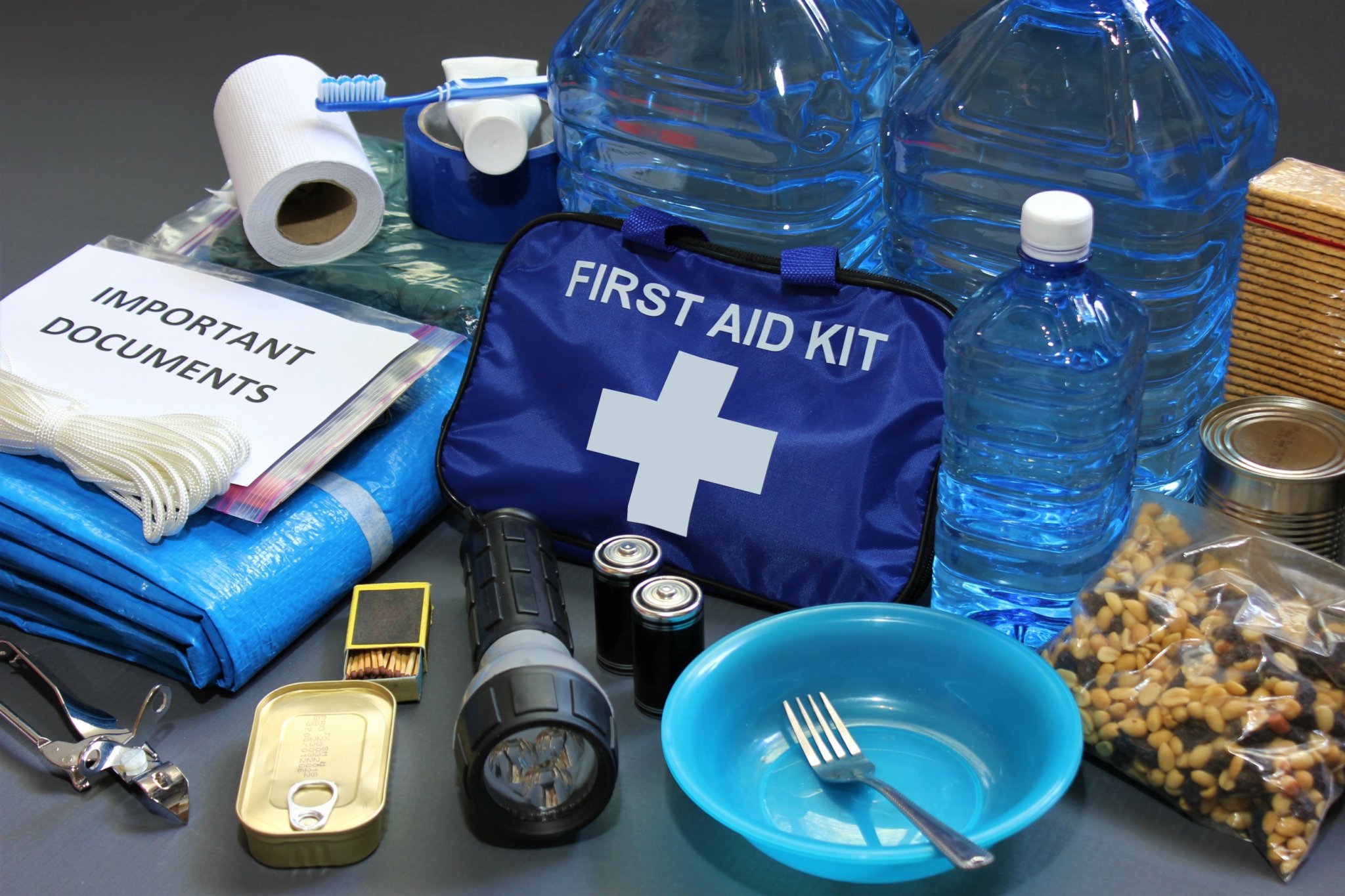
Keep flashlights, a battery-powered AM/FM radio and plenty of spare batteries available, as well as a portable power bank for recharging your phone and other devices. If the power bank includes a solar panel, that’s even better; you can recharge it by placing it in sunny window.
Keep canned or dried food on hand so you can prepare meals without having to open your refrigerator.
If you rely on a powered medical device such as an oxygen concentrator, talk with your doctor about what you will need to do if the power goes out.
Use flashlights and battery-powered lamps for light instead of candles, which can create a fire hazard. If you must use candles, never leave a candle burning in an unoccupied room. Make sure you have working smoke alarms and that they include a battery backup that will keep them working during power outages.
Connect with your electric cooperative for tips on how to stay up to date on outage restoration. Have a backup plan if you rely on electricity for medical equipment; be prepared to call friends, family members or emergency responders for assistance.
Running a generator produces carbon monoxide, an invisible, odorless gas that can kill people and pets. If you use a generator, keep it outdoors and at least 20 feet from your house. Never run a generator near a door or window of your home. Gas cooking stoves can also produce carbon monoxide, so you should never attempt to use a gas cooking stove or oven to heat your home during a power outage.
Power outages can also lead to property damage and loss. To reduce food loss, keep freezers and refrigerators closed. If frozen food does thaw, discard it to avoid possible food poisoning. Unplug sensitive electronics, such as TVs, computers and game systems to make sure they aren’t damaged by a power surge when power is restored.
ROBERT MCCOOL is a program coordinator at the University of Kentucky’s Kentucky Injury Prevention and Research Center.