When holidays are hard
Finding joy in a painful time
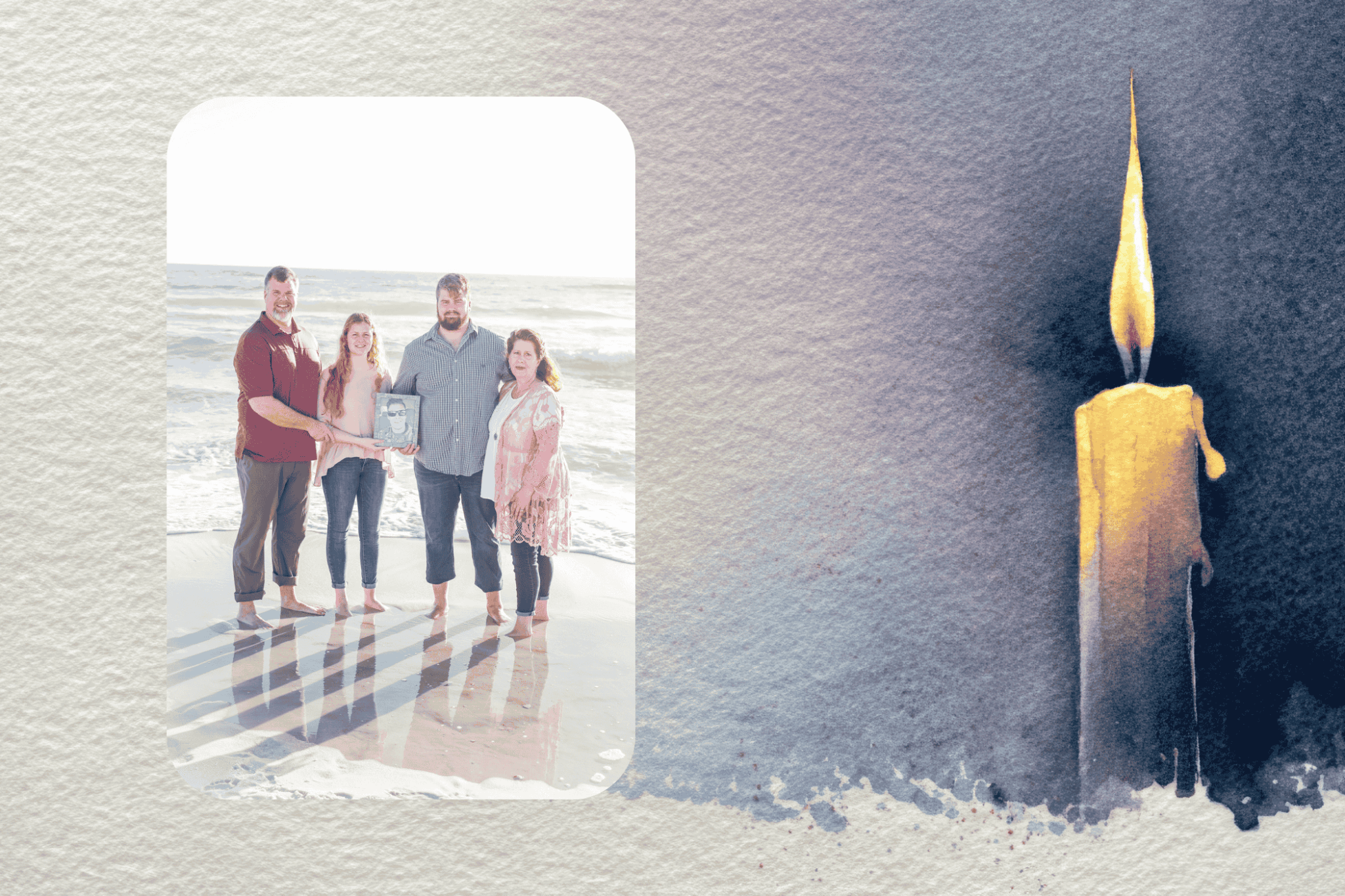
On Christmas Eve 2020, Greg and Amy Jacobs’ doorbell rang. Along with their two teenagers still living at home in Shelbyville, they were preparing food and wrapping presents for an extended family trip to Florida, where they planned to meet their son David. David, a specialist in the Army at Fort Carson, Colorado Springs, had recently completed a tour in South Korea, and they were excited to spend the holiday with him.
When the Jacobs went to the door, nothing could have prepared them for what they saw: two officers in uniform who asked to come in. The officers informed Greg and Amy of their son’s death in a car accident the previous evening. The distance and the holiday delayed the news.
Amy says she can’t describe the pain. “I almost felt like I was not there, like the news wasn’t real. I kept thinking, ‘I just talked to him on the phone.’”
In the days that followed, the couple navigated military paperwork, arranged for David’s body to be transported, planned a funeral and considered how to handle Christmas gatherings. Then came months of deep grief: They moved through shock, sadness, fear, anger, gratitude and loving memories. They tried to return to a “normal” routine, but nothing felt the same.

Sarah Light is a clinical social worker and the owner of Lighthouse Counseling in Bowling Green. She advises there is no one “normal” way to grieve during the holidays. Photo: Kristen White
Everything changes
Greg says many parts of life shift after loss. “Your contacts list changes. You keep friends who are willing to walk with you in grief, but you also make new friends who’ve had similar experiences,” he explains.
Even five years later, Greg says his social capacity and threshold for stress have changed. He sometimes steps away from crowds, declines invitations or has to take a deep breath when an acquaintance says something unintentionally hurtful.
“It is work to be a survivor. You learn your triggers. You learn to advocate for yourself. You face regrets but resist spiraling into what-ifs,” he says. “Amy and I have committed to strengthening our marriage—grief is hard on couples. We’ve stayed involved in work and community, but sometimes it feels like just going through the motions. Still, showing up is part of healthy grief. Being a survivor is a club you don’t ask to join, but if you’re in it, you want to do the work for the people around you.”
Greg’s faith was also shaken, and he was angry with God for a couple of years. “I questioned his faithfulness. But he met me where I was,” he says. “Now my faith isn’t just habit—it’s a daily decision to believe he loves me and has a plan.”
Helping others
A few years into their grief, Greg and Amy became grief coaches through Tragedy Assistance Program for Survivors, or TAPS, an organization supporting families who lose an active-duty member of the U.S. armed forces. TAPS was a lifeline after David’s death, and they now lead support groups and mentor others.
Greg also counsels grieving fathers and launched yourdadforever.com, a site that offers resources for fathers who have lost children. “Grief resources often focus on women. Men need to share their grief, too,” he says.
Holidays or hollow days?
David’s death on Christmas Eve makes the holidays especially hard. “At first, they feel hollow. You almost feel disloyal smiling,” Amy says. “My advice to those in their first year of grief: don’t isolate—but don’t let others dictate how you should feel. You get to decide how to honor your loved one.”
The Jacobs have kept some holiday traditions—stockings on the mantle, extended family gatherings—but started new ones, too. Including a photo of David at the holiday table is meaningful. And travel has brought healing, especially to peaceful places like the beach.
Licensed clinical social worker Sarah Light, clinical supervisor and owner of Lighthouse Counseling, LLC in Bowling Green, agrees that each person grieves differently during the holidays. “There’s no one ‘normal’ way to feel. Grief is shaped by the relationship, the stage and type of grief and many other factors,” says Light, a Warren RECC consumer-member. She encourages grieving people to talk with a counselor one-on-one or participate in a support group. Light shares these ideas for coping with loss at the holidays:
• Keep memories alive with photos, jewelry, or keepsakes.
• Share your loved one’s favorite dish or meal.
• Create a quilt or pillow from their clothing.
• Attend events, even if you need to step away. “You may not feel ready. Still, take in the joy and noise of others,” she says.
• Know your triggers.
• Prepare simple responses like, “I’m doing OK, but today’s hard.”
• Expect the “firsts” to be the hardest. “It’s normal to feel disconnected, but try to go. You don’t want to miss the moments when others share stories,” she says.
• When supporting a grieving friend, ask, “Tell me a story about your loved one.”

Clinical counselor Lindsey Lanham advises people experiencing grief to surround themselves with a supportive community. Photo: Michael Philp
Healthy vs. unhealthy grief
Unaddressed grief can have lasting effects, especially for children. Leila Salisbury, executive director of the Kentucky Center for Grieving Children and Families, warns that unsupported grieving kids are two to three times more likely to develop addictions. “Getting support and having family conversations are essential for healing,” she says.
Lindsey Lanham, a licensed professional clinical counselor at Compass Counseling of Owensboro, agrees: “People often turn to things that feel comforting—like substances—but ultimately make life harder. A better path is surrounding yourself with support.”
Greg refers to this as addiction through avoidance. It’s normal to want to numb pain, he says, whether through online distractions, alcohol or overwork. “I challenge survivors to replace those with healthy outlets: go to the gym, spend time outdoors or start a new hobby,” he says.
Lanham identifies three essential components of healthy healing:
Find support. Don’t walk through grief alone. Ask for help. Have meaningful conversations—with friends, family, a therapist or a support group.
Practice self-compassion. Avoid judging your emotions or timeline. Shame only delays healing. Be patient—with yourself and the slow-moving logistics that come with loss. Grief is not something to “get over” in a few weeks.
Remember that you matter. In the aftermath of loss, attention often shifts to the person who has died—but your emotional and physical health are important, too. Check in with your physician or therapist if you experience noticeable changes in your body or mood.
“Being a survivor takes your life in a new direction,” Greg adds. “I’m grateful to have been David’s father in life, and I’m proud to be his father still. His life—and his death—have changed me for the better.”
Ways to show a grieving person you care
When a friend is grieving, the most meaningful support often comes from small, consistent acts of kindness. Everyone processes grief differently, so approach gently, without expectations. Your friend may not respond or remember what you did—but showing up can make a difference for them.
- Bring a meal. Do this not only in the first few weeks but also later, when the initial support has faded. Food provides nourishment and comfort.
- Send a care package. Include items like snacks, tissues, lip balm, books, lotion or comfort items to ease hospital stays or long days at home.
- Remember important dates. Mark birthdays, anniversaries and other milestones with cards or texts, but also check in on ordinary days—grief is ongoing.
- Offer an outing. A drive to a meaningful place, a short walk or visiting a gravesite together can be deeply healing. These moments don’t need to cost anything.
- Help with errands or chores. Even if your friend declines at first, offer again later. Sometimes it takes time to accept help.
- Join with others. Pool resources to provide meals, pay a bill or offer a grocery gift card to ease financial stress.
- Be a companion. Offer to go with your friend to the funeral home, courthouse or other difficult appointments. Your quiet presence can be a steadying force in an emotional time.
- Be mindful of non-death grief. Acknowledge your friends’ hardships that can cause anguish similar to losing a loved one—such as loss of a job, home or living situation; infertility, abuse or chronic illness.
Helping kids accept loss
“Adults struggle to express the complex emotions of grief—children do, too,” says educator, child advocate and Fleming-Mason Energy Cooperative consumer-member Jessica Bowman. After losing five loved ones during the COVID-19 pandemic, including her father, Jessica wrote and illustrated Wilty, a picture book to help children find words for their feelings. She offers a free book referral application and grief Cue Cards on the Resources tab of her website: littlewildflowerbo.wixsite.com/little-wildflower-bo.

Jessica Bowman wrote and illustrated Wilty, a picture book to help children find words for their feelings. Photo: Kristen White
Leila Salisbury of Kentucky Center for Grieving Children and Families agrees that kids need to express their feelings without adults rushing them or offering quick fixes. “Kids are resilient. Those who have experienced grief can become deeply compassionate and have a positive trajectory in life with the right support. Adults in all parts of their lives need to know how to help,” she says.
Bowman and Salisbury offer these insights for supporting kids through grief in age-appropriate ways:
Normalize grief
Explain grief as natural, with many emotions and stages, and share your own feelings. “After my father died, I kept thinking about how a plant wilts without water. That became my description for my grief—‘wilty,’” Bowman says. Sharing this helped her children find their own language for loss.
Consider support groups or memory-making activities. “After my husband’s death, our group was life-giving,” says Salisbury. Her organization offers groups for ages 3–18 and partners with schools in six districts to provide in-school support.
Ask thoughtful questions, give honest answers
Examples: What’s your favorite memory of that person? What did they do that makes you smile?
Use simple, clear language, like “His heart stopped beating.” Avoid euphemisms like “passed away” or “gone to sleep.” Reassure children they are not to blame.
Encourage creative expression
Provide an environment for children to draw, journal, tell stories and create. Salisbury’s agency offers therapeutic arts, equine therapy and family events to remember loved ones and discover new interests.
Read age-appropriate books about grief. “Seeing characters going through similar feelings helps kids feel understood,” Jessica says.
Be patient with behavior changes
Grief can show up as nightmares, outbursts, fatigue or withdrawal. Validate children’s feelings while maintaining healthy, supportive boundaries. Seek professional help if a child engages in unsafe behavior.