Backup generator safety for your home
Know the benefits—and the risks
IF YOUR HOME goes dark from an electrical blackout, an electric generator can be a great resource, especially if the storm and damage are severe and the outage is prolonged. But small portable generators pose risks homeowners need to guard against: carbon monoxide poisoning, electrocution or electric shock, and fire.
Carbon monoxide poisoning
Small generators use a combustion engine that usually burns gasoline or other liquid fuels. Like any gas-powered machine, these small engines produce carbon monoxide. To prevent carbon monoxide poisoning, keep generators outdoors, away from doors, windows and vents. Position your generator’s exhaust away from your home and locate the generator downwind, if possible.
Electrocution or electric shock
To avoid the risk of electrocution, do not use a generator in rainy or wet conditions. Don’t handle it with wet hands.
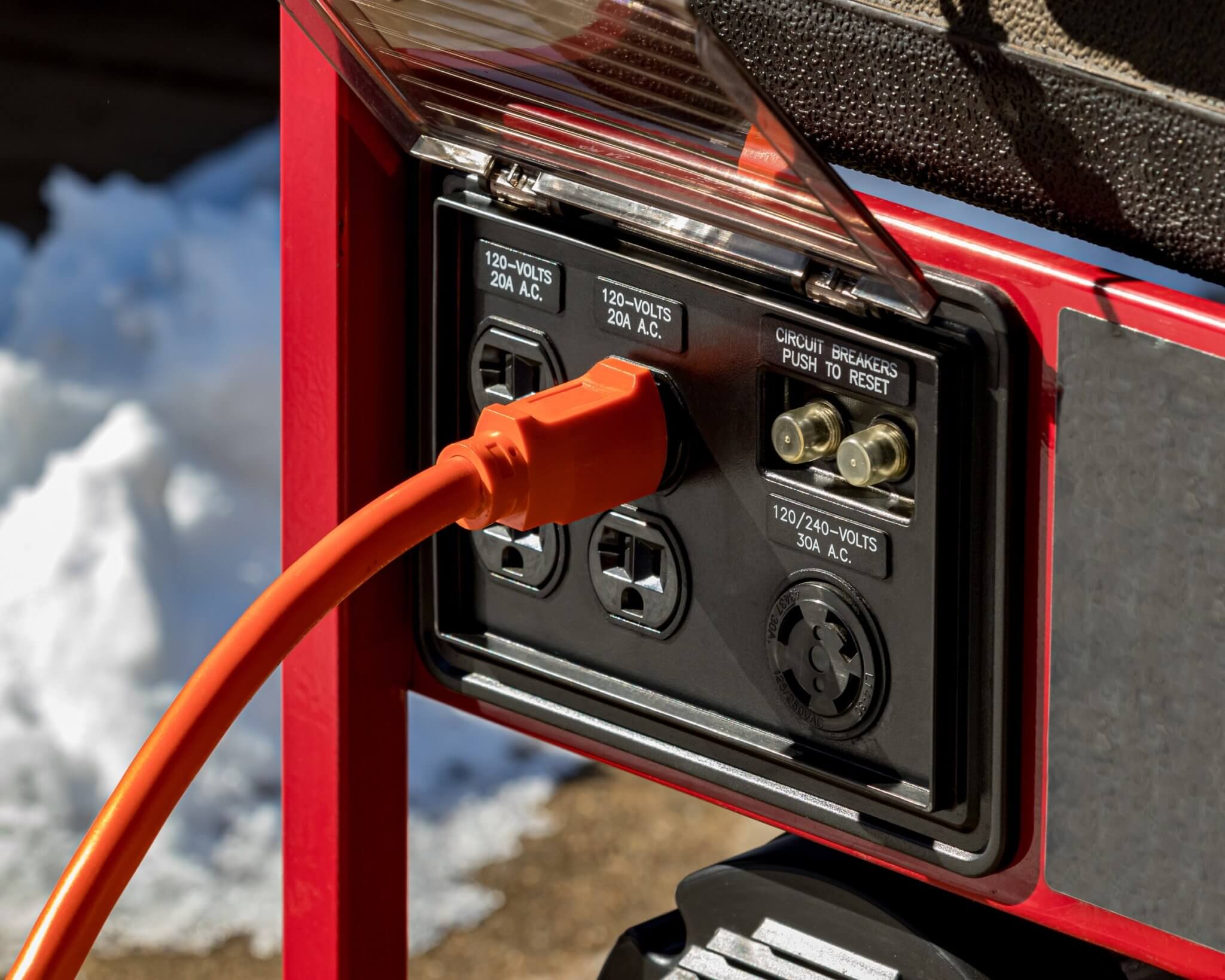
Before plugging appliances or electronics into your generator, make sure your generator is sized appropriately for the total electric load you want it to run. Make sure the cords all fit appropriately and are undamaged.
Never plug your generator directly into your home’s wiring. Known as backfeeding, this sends power from the generator throughout your house in reverse and can even feed onto your electric utility’s power lines. Workers attempting to restore power could be fatally shocked by this. To prevent a backfeed, have a professional install a transfer switch if you want your generator to run your home’s electrical system during an outage.
Burns and fire
Store extra generator fuel in an American National Standards Institute-approved container in a cool, well-ventilated place away from fuel-burning appliances.
Before refueling your generator, turn it off and let it cool. Gasoline spilled on hot engine parts could ignite.
Preventing carbon monoxide poisoning
- Never use a generator, grill, camp stove or other gasoline, propane, natural gas or charcoal-burning device inside a home, garage, basement, crawlspace or any partially enclosed area.
- Keep generators outdoors, away from doors, windows and vents that could allow carbon monoxide to come indoors. Opening doors and windows or using fans will not prevent CO buildup in the home.
- Although CO can’t be seen or smelled, it can rapidly lead to full incapacitation and death. If you start to feel sick, dizzy or weak while using a generator, get to fresh air immediately.
- Install CO detectors in central locations on every level of your home and outside sleeping areas. Test the batteries frequently and replace when needed.
- If the carbon monoxide alarm sounds, move quickly to a fresh air location outdoors if possible, or open a window or door.
Source: Red Cross