Neighbors Helping Neighbors: Kentucky Co-ops Reflect on Katrina 20 Years Later
When Hurricane Katrina made landfall on August 29, 2005, it quickly became one of the most devastating natural disasters in U.S. history. Along with the tragic loss of life and widespread destruction, the storm left an unprecedented challenge for Mississippi’s electric cooperatives. At the peak of the crisis, 497,000 meters were without power—71 percent of the state’s electric service. Nearly 50,000 poles were snapped, and nine co-ops lost service to every single meter.
Into this devastation rolled a wave of help from across the country. The electric cooperative network, which spans nearly 1,000 co-ops nationwide, had long-established mutual aid plans. Kentucky was among the first states mobilized. Within hours of landfall, 19 of Kentucky’s 23 distribution co-ops had dispatched crews south. At the height of the effort, 120 Kentuckians and 67 trucks were on the ground in Mississippi. Over the course of three weeks, 211 Kentucky co-op employees rotated through the storm zone, later joined by another 134 who deployed to Louisiana after Hurricane Rita.
The logistics were daunting. With fuel scarce and roads impassable, convoys of bucket trucks and diggers had to be escorted into hard-hit areas. Crews often relied on local “bird dogs” to guide them through snake-infested woods where bulldozers cut paths for powerline access. Kentucky lineman Chris Burden of Warren RECC recalled leaving on the very day Katrina came ashore, navigating through miles of darkness to reach Waynesboro, Mississippi. “Getting fuel for our trucks was the problem—we had to find a place with a generator that could provide power for the fuel pumps,” he remembered.
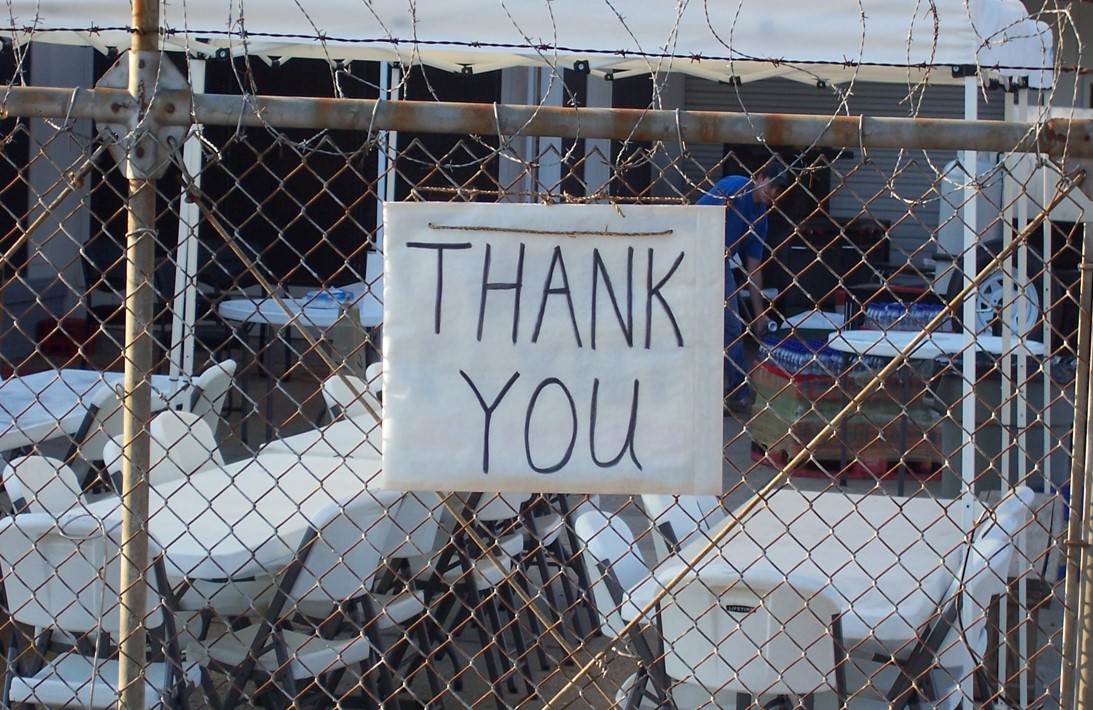
Once in place, Kentucky crews discovered a remarkable level of organization and hospitality. Local co-ops assigned staff to handle meals, lodging, and even laundry for the influx of out-of-state linemen. Breakfast and supper were often served at local churches, while lunches were delivered to job sites. “The folks in Mississippi showed us Southern hospitality at its finest,” Burden said.
Behind the scenes, coordination was just as important as the fieldwork. Disaster response followed an “hourglass” structure: individual co-ops reported needs to their state association, which then communicated with other state associations to channel help. This system allowed Kentucky’s association, the Kentucky Electric Cooperatives, to match resources where they were most needed while ensuring enough crews remained at home to respond to local outages.
David White, then a safety instructor with the statewide, traveled through Mississippi as a roaming safety officer. His chief concern was protecting both linemen and the public under dangerous working conditions. “The overriding concern in any restoration project is safety,” White explained. “Other than mosquito bites and the usual bumps and scrapes, no Kentucky co-op workers were injured while restoring electric service.”
The workdays were long—crews often joked they never saw their lodging in daylight—but the sense of shared purpose kept spirits high. Mississippi co-op leaders praised Kentucky’s linemen for their skill and grit, with one manager saying simply, “Just send me some more like them.”
As the effort continued, Kentucky crews rotated home to be replaced by fresh teams. Back in Kentucky, those who remained behind kept local systems running, often with heavier workloads. Their contribution, White emphasized, was equally important: “It is a sacrifice for the whole co-op that sends people to help after a disaster—but we are glad to help each other.”
In total, the emergency workforce swelled to more than 11,000, with crews and equipment from 22 states pouring into Mississippi. What initially seemed like a six-week restoration was accomplished far more quickly thanks to this unprecedented mobilization.
Twenty years later, the memories remain vivid.
“From a lineman’s point of view, Katrina will always be one of the benchmark events in a career and a point of pride for those who were able to assist, White recalled when asked to comment on the 20th anniversary. “The willingness of the Kentucky linemen and co-ops to help was frequently noted by the co-ops we assisted.”
For the communities of Mississippi and Louisiana, it was proof of the cooperative promise in action: that when disaster strikes, no co-op stands alone.
“In many ways, the Katrina restoration response spurred significant improvements in the mutual aid working group between states throughout the southeast,” White explained. “‘After-action’ meetings with the affected states, primarily Mississipi & Louisiana, in the months and years afterward, provided critical feedback to other state cooperative storm coordinators.”
Additionally, efforts to navigate the rules and regulations of the Federal Emergency Management Agency (FEMA) were “significantly improved” following Katrina, White continued. He cites greater assistance from NRECA, and a better understanding of the cooperative mutual aid system from leaders in other states.
The lessons and experiences from Katrina also influenced the statewide co-op association’s creation of the KERG (Kentucky Emergency Response Guide). Kentucky Electric Cooperatives continues to maintain and use the KERG as a foundational structure for mutual aid events.
“In my opinion, the Katrina (and Rita) restorations showed our co-ops what a large-scale event looked like,” White said. “These lessons paid dividends a few years later as our Co-ops worked through our devastating ice storm in 2009.”
The Katrina and Rita response remains a proud chapter in Kentucky co-op history. Upon the twentieth anniversary, one lesson shines through—whether across county lines or state borders, the cooperative spirit is strongest when neighbors help neighbors.