Board meeting
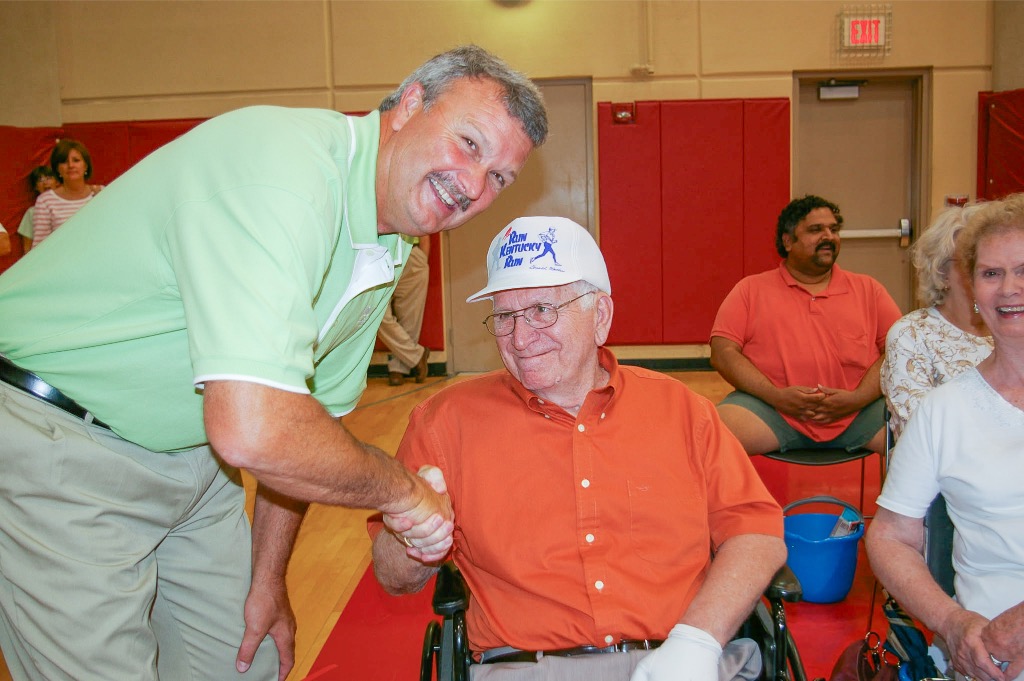
“How will this decision impact my neighbors?”
It’s a question that’s always on the mind of the directors who help guide your local electric cooperative—because they live and work in the communities they serve.
“Every decision we make has a direct impact on the lives of our members, and we take that responsibility very seriously,” says Brandi Williams, a director on the board of Farmers RECC. “Whether it’s setting rates, approving budgets, or making long-term investments in infrastructure, we always keep the best interests of the members at the forefront of our discussions.”
Each of Kentucky’s electric cooperatives is led by a board of directors who are also co-op consumer-members. Directors don’t just guide the cooperative’s decisions and policies—they also represent the interests of members. Unlike investor-owned utilities, which are responsible to shareholders, your local electric cooperative is owned by the members it serves, guided by local directors and responsive to the needs of your community.
David Brown, who has served on the Nolin RECC Board of Directors since 1994, is a lifelong resident of LaRue County, a former dairy farmer and a salesman for a local concrete company. “The reward is the people that we’re involved with,” Brown says. “The membership is the strength.”
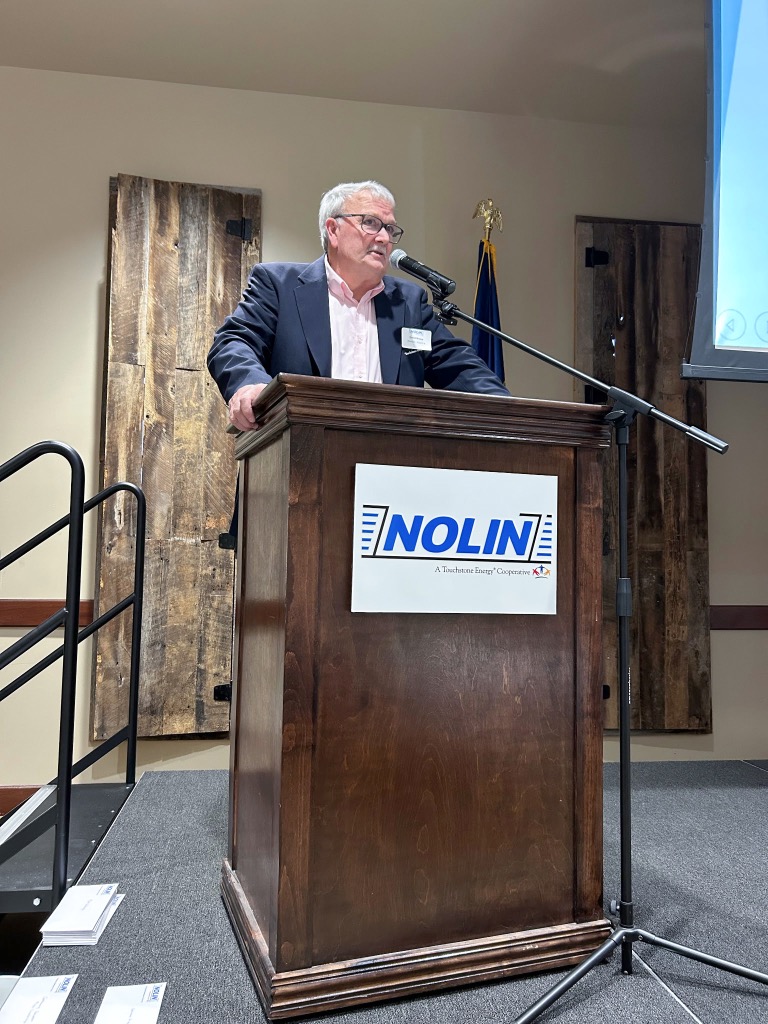
David Brown is a former dairy farmer and lifelong resident of LaRue County. Photo: Nolin RECC archives
“We’re always trying to understand, be educated and keep up with what we need to know to keep our co-op running safely,” says Billy Reid, the fourth-generation owner of Reid’s Orchard in Owensboro, currently serving as chairman on the Kenergy Board of Directors.
With advances in technology, shifting regulations and evolving safety practices, there’s plenty to learn—and Reid says it all serves the basic cooperative mission.
“We’re nonprofit,” he says. “We keep the margins down low, because we just want to serve our members at a reasonable cost and with a good quality service.”
Local leadership
Cathy Epperson, a director on the South Kentucky RECC board, was inspired to serve on the board after a meeting in the office of former CEO Allen Anderson.
“I looked up and I saw these men’s pictures on the wall, and I said, Allen, you need a woman,” Epperson says, laughing. Several years later, when she had the opportunity to serve on the board, she embraced the challenge. At the time, she was the CEO of a mental health agency with around 500 employees, and she had little prior knowledge of cooperatives or the energy industry.
“I have really enjoyed the co-op, because it’s a very complex organization,” she says. “It’s nothing like your normal business. I’m still learning, but I think it probably took me four or five years to really get an understanding of how the mechanism of the co-op works.”
The amount of learning required of a co-op director is daunting. Directors have to understand the electric cooperative business model, learn how boards operate and equip themselves with financial decision-making skills.
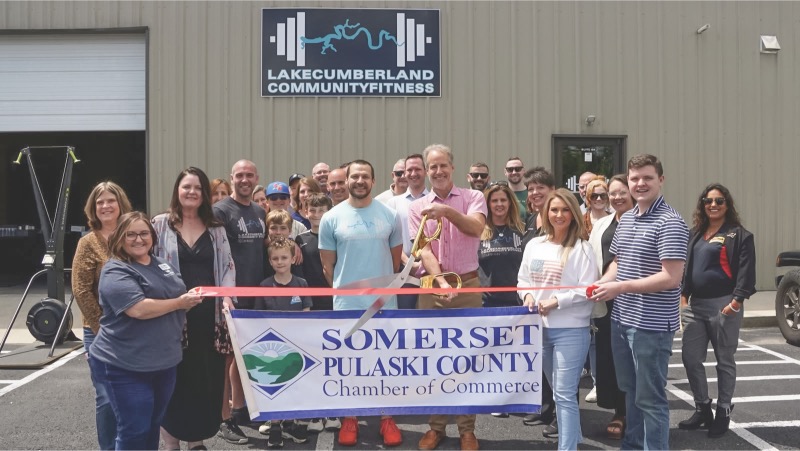
Cathy Epperson, left, is
deeply connected to her
community, including
work in local economic
development. Photo:
Somerset Pulaski County
Chamber of Commerce
“When I came on the board, I was green as a gourd,” Brown says. “And when you start learning, my God—there’s 10,000 acronyms that you’ve got to learn.” He remembers attending his first board meeting with a notebook in hand, “ripping and raring to go.” But more than 30 years later, he says the most valuable thing he did was listen to other directors and learn what made his co-op unique.
“I just needed to sit down and shut up and listen,” he says. “The people are what you cherish most about your affiliation with the co-op. It’s the whole co-op idea of service and helping people, and being a nonprofit.”
Co-op directors continually invest in education and professional development, both on their own and in formal settings. Williams, who has served on the board of Farmers RECC since 2019 has participated in trainings, statewide meetings and conferences to stay abreast of industry trends, best practices and emerging issues.
“Training and professional development is a cornerstone to the role as an electric cooperative director and requires a significant investment of time and commitment,” says Williams, who has also served as her board’s secretary-treasurer. “Altogether, these experiences reflect commitment to serving the cooperative and its members with the knowledge and skills necessary to make informed, forward-thinking decisions.”
Equipped for success
In addition to education and mentorship at the local level, the National Rural Electric Cooperative Association offers a structured Director Education program that starts on a basic level and moves up to the advanced. Directors take five courses—online or in person—centered around governance and the foundational skills a director needs to do the job. After completing those courses, directors earn the Credentialed Cooperative Director Certificate.
Next comes the Board Leadership Certificate, which requires completion of the CCD plus 10 course credits in more specialty areas. The highest level offered through NRECA is the Director Gold Credential, which includes all the prior courses, plus three credits from the BLC courses every two years.
“NRECA’s Director Education credentials equip cooperative directors with the skills and knowledge needed to govern their cooperatives effectively,” says Erin Pressley, senior vice president of Education, Training and Events at NRECA.
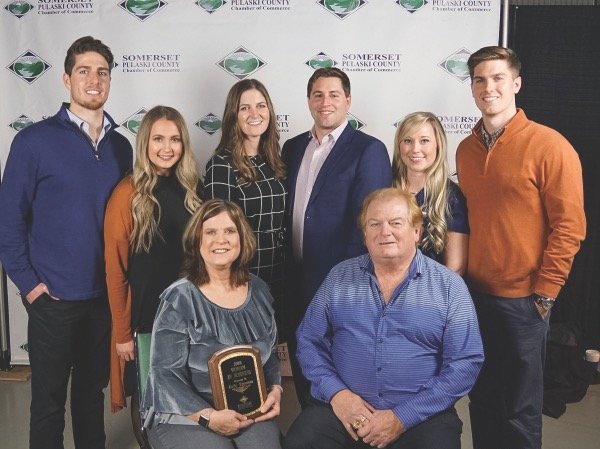
Cathy Epperson received the Somerset-Pulaski County Chamber of Commerce Woman in Business Award for her work in the community. Photo: Ross Corder
“Directors join boards to help their communities, and NRECA helps directors better serve those communities by strengthening their understanding of fiduciary duties, strategic planning, and industry trends, helping them make more informed decisions,” Pressley says. “The program also builds credibility and prepares directors to lead through uncertainty in a rapidly evolving energy landscape.”
Epperson, who has earned the Director Gold Credential, says the program has significantly enhanced her effectiveness as a director on the South Kentucky RECC board.
“How you are going to learn is by going to classes, networking with other board members, talking to other people,” Epperson says. “I’ve been to many trainings in my career, and NRECA trainings are some of the best.”
Lessons learned
Among other topics, trainings cover the role and responsibilities of board members. Epperson says it’s important for board members not to micromanage, and to understand the difference between board and operational responsibilities. “I actually keep my [training] manuals on my desk, and I’ve referenced those manuals,” she says.
Since he began serving on the Nolin RECC board, Brown has witnessed a breathtaking rate of change in the energy sector, from communication technology to advanced metering infrastructure Along the way, he’s devoted thousands of hours to understanding the industry and co-op needs. Board service is more than just one meeting per month. Brown says he also fields hundreds of phone calls and conversations each month related to co-op business.
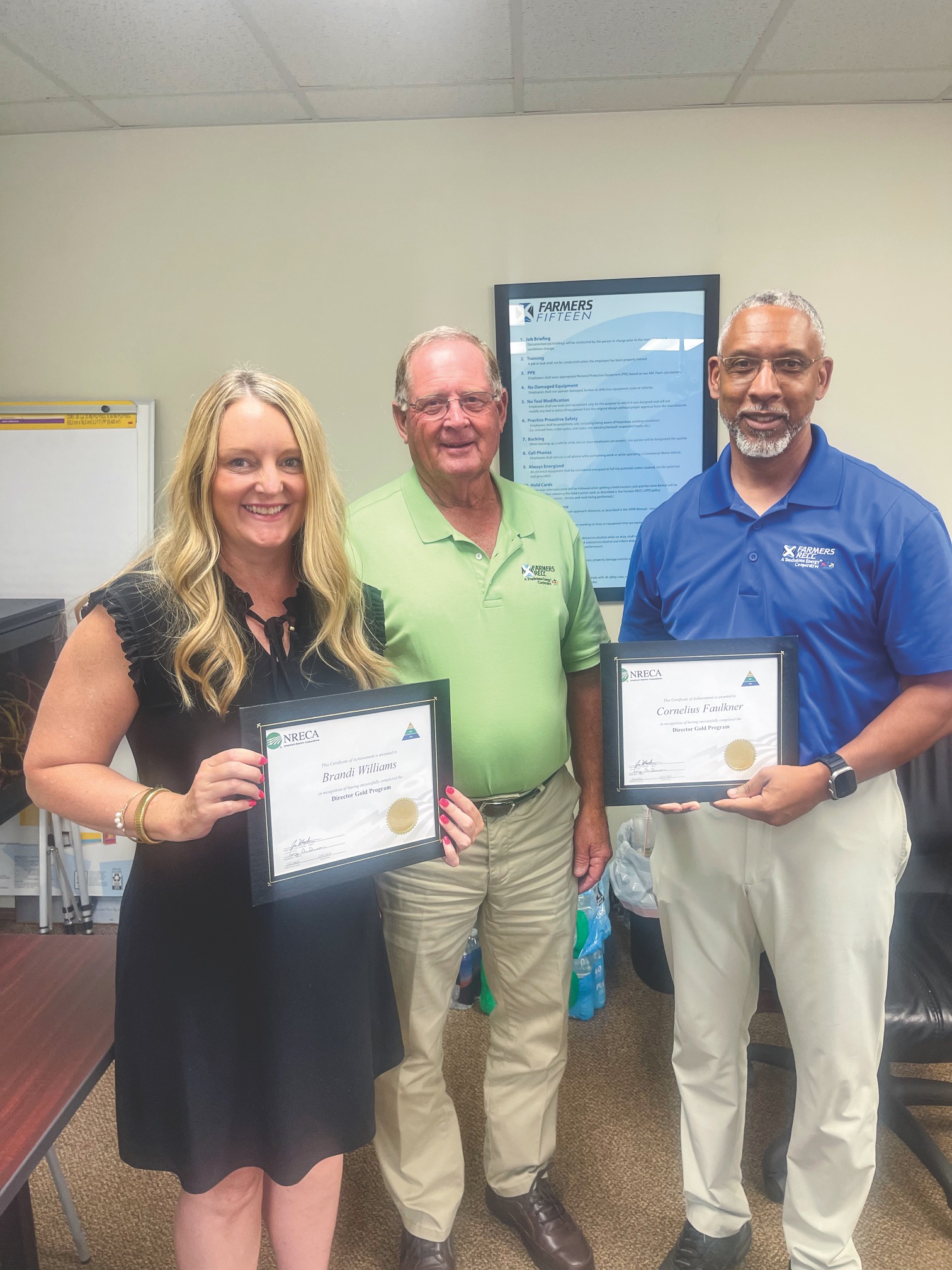
Farmers RECC Directors Brandi Williams and Cornelius Faulkner, shown with board Chairman Randy London, receive their Director Gold certificates. Photo: Caralyne Pennington
“It’s not a feeling of drudgery when the meetings come around,” he says. “It’s a responsibility, and it’s time consuming … and it’s worth it. We enjoy it, and it’s an association that you just want to be part of.”
Safety, too, is a priority for electric cooperative directors. By continually reviewing processes, evaluating issues and making improvements, they play a key role in helping co-op employees stay safe. “We want to make sure everybody comes to work and goes home to their families,” Reid says.
Epperson adds that co-op boards can help nurture a safety culture that encourages employee collaboration: “We want you to report those near misses so we can really strategize and see what we need to do to prevent those in the future.”
Neighbors serving neighbors
Service runs in Reid’s family. His father was chairman of the board for the local water district. His uncles served on the board of education and in school administration. His grandfather served for 32 years on the board of Green River Electric, which merged with Henderson-Union Electric Cooperative to form Kenergy in 1999. This year, Reid marks 32 years of his own service on the Kenergy board.
“I just get involved with everything I can to help our community,” Reid says. “That’s the reason I really wanted to serve on the electric co-op board—to make sure we can bring reliable electricity to our members at a reasonable price.”
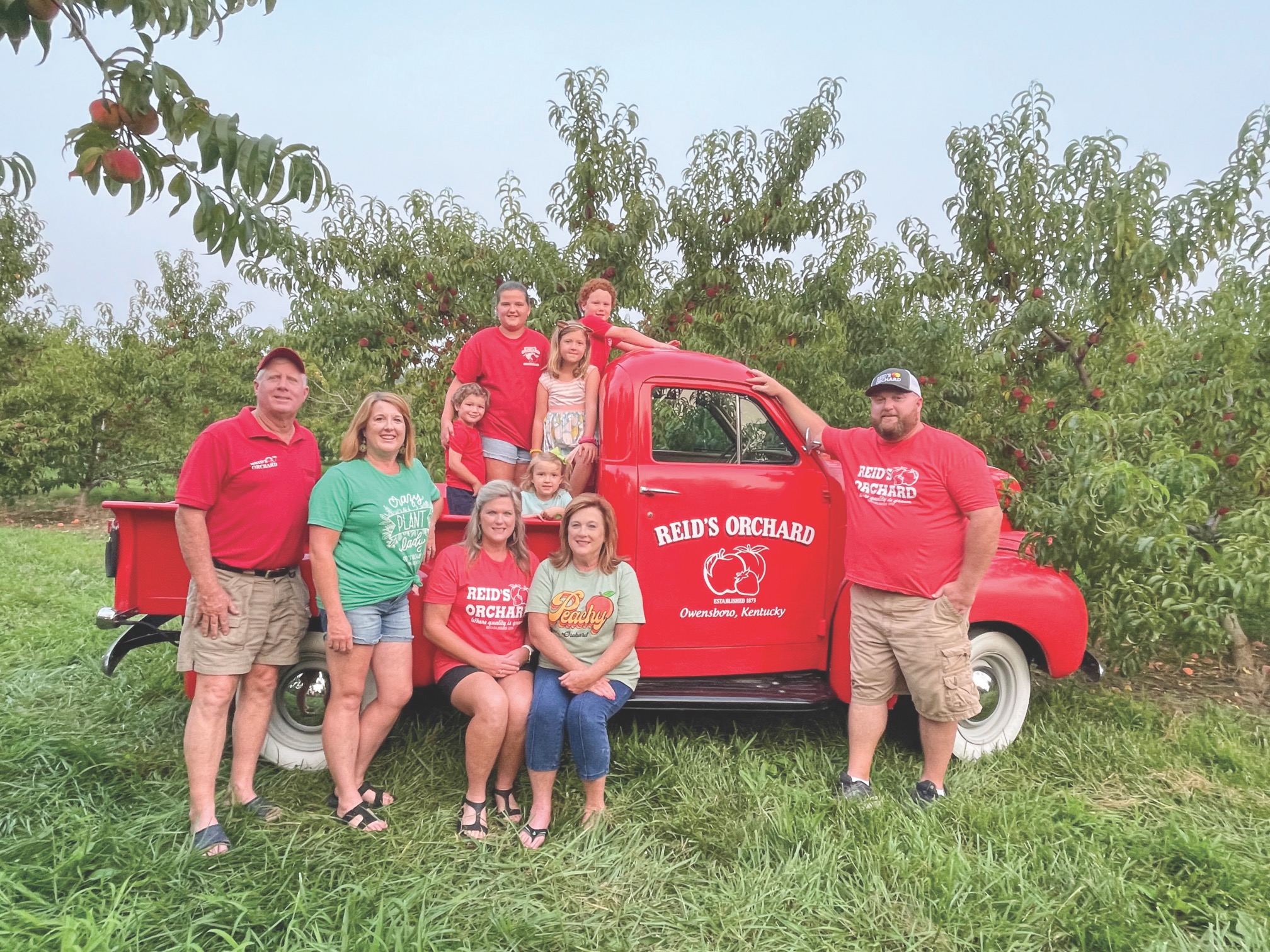
Billy Reid, left, is the
fourth-generation
owner of Reid’s
Orchard and a director
on the Kenergy board.
Photo: Lee Ann Hurm
For Epperson, service on the South Kentucky RECC board has provided a window into an industry often taken for granted.
“When you turn on your light, you give it second thought, and you think about all the staff that are out there in all weather conditions,” she says. “We’re at home, safe in our houses when it storms. But they’re not. Every time they go out, they risk their lives for us to have power. People don’t understand that.”
Electric cooperatives were born out of a sense mission—built to meet local needs, owned by the members they serve and led by fellow community members.
“Whether it’s through scholarships, educational programs, or volunteer initiatives, we see community service as an essential part of our mission,” Williams says. “It’s about going beyond the business of electricity and making a positive, lasting impact on the lives of our members.
As a board member, Brown says he is also a constant co-op ambassador in his community.
“We love to tell the co-op story,” Brown says. “… It’s not like I go to the grocery store and preach Nolin every week, but everywhere I go, I get questions about Nolin. And I think it’s a wonderful thing.”