Efficiency tips for older homes
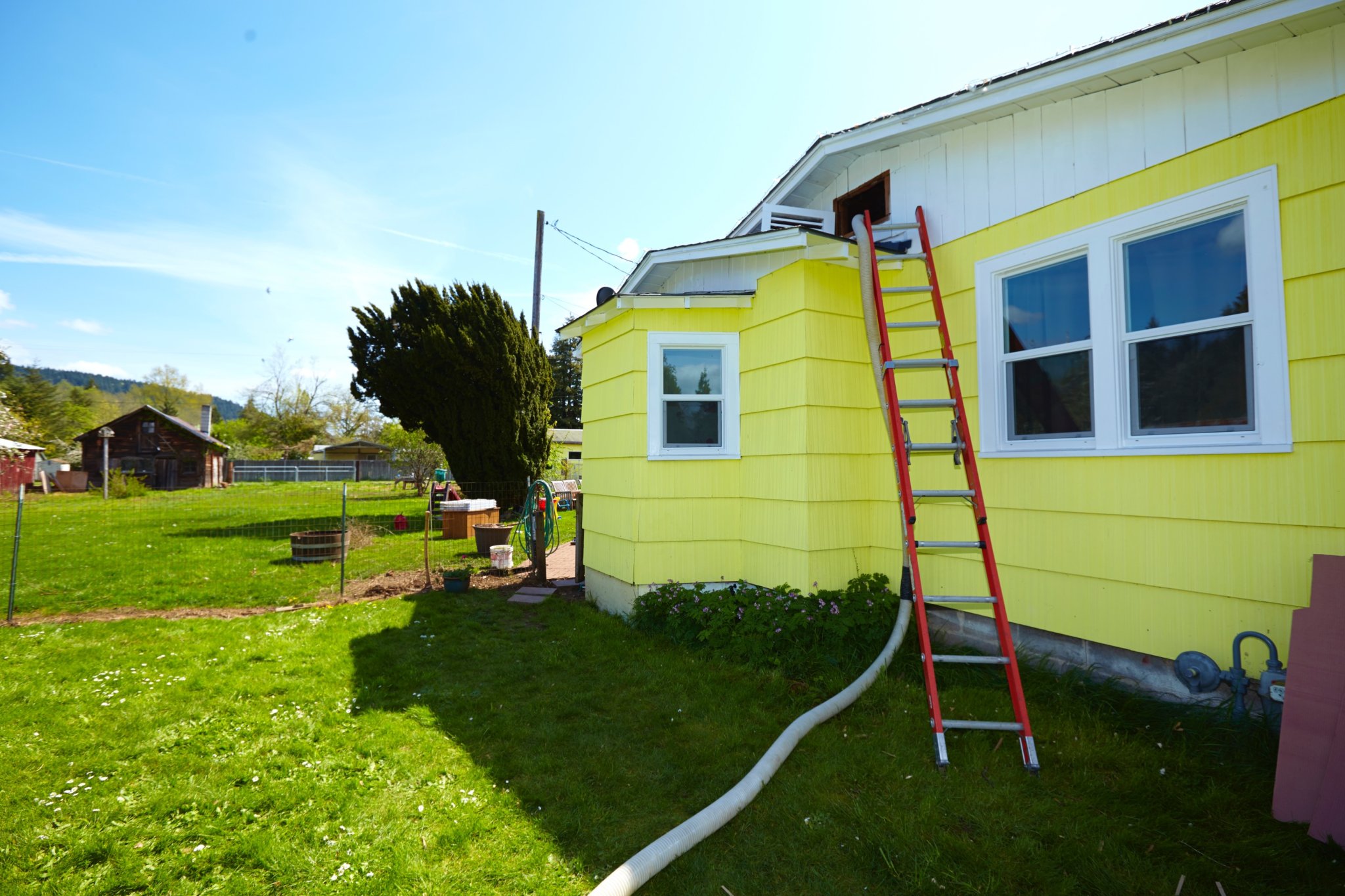
Older homes don’t have to be inefficient. Show your home some love and invest in energy efficient upgrades while retaining its charm.
Start by prioritizing the invisible upgrades that make your home more comfortable and efficient. It’s not as exciting as new countertops, but air sealing and insulation can save you money that can be applied to aesthetic improvements.
Many older homes are not properly insulated. Beyond sealing your home and keeping outdoor air from seeping in, insulation reduces outdoor noise, makes your home quieter and improves your overall comfort.
Always properly air seal before you insulate. Older homes with pocket doors, coved ceilings, dumbwaiters, doors to attic spaces and laundry chutes allow indoor air to escape through the cavities, gaps and cracks.
Seal any framing features that cause drafts. Balloon framing is a type of construction where wall studs run all the way from the foundation to the roof, allowing air to flow freely through those spaces. Second floors with knee wall attics on both sides are notorious for air leakage.
Insulating walls
Dense-packed cellulose or closed cell foam insulation can be sprayed into exterior walls. Skilled contractors can remove pieces of siding and drill holes to fill the wall cavities from the outside of the home. For brick or stone homes, holes can be drilled from the inside and then patched and painted. Insulating walls from the inside of the home requires more time and effort in preparation and cleanup, but having well-insulated walls is worth it.
For safety purposes, knob and tube wiring—commonly used from the early 1880s to the 1930s with no grounding wire—should be replaced prior to insulating walls and attics.
MIRANDA BOUTELLE writes on energy efficiency for the National Rural Electric Cooperative Association.