Holiday food prep
Ingredients for safety
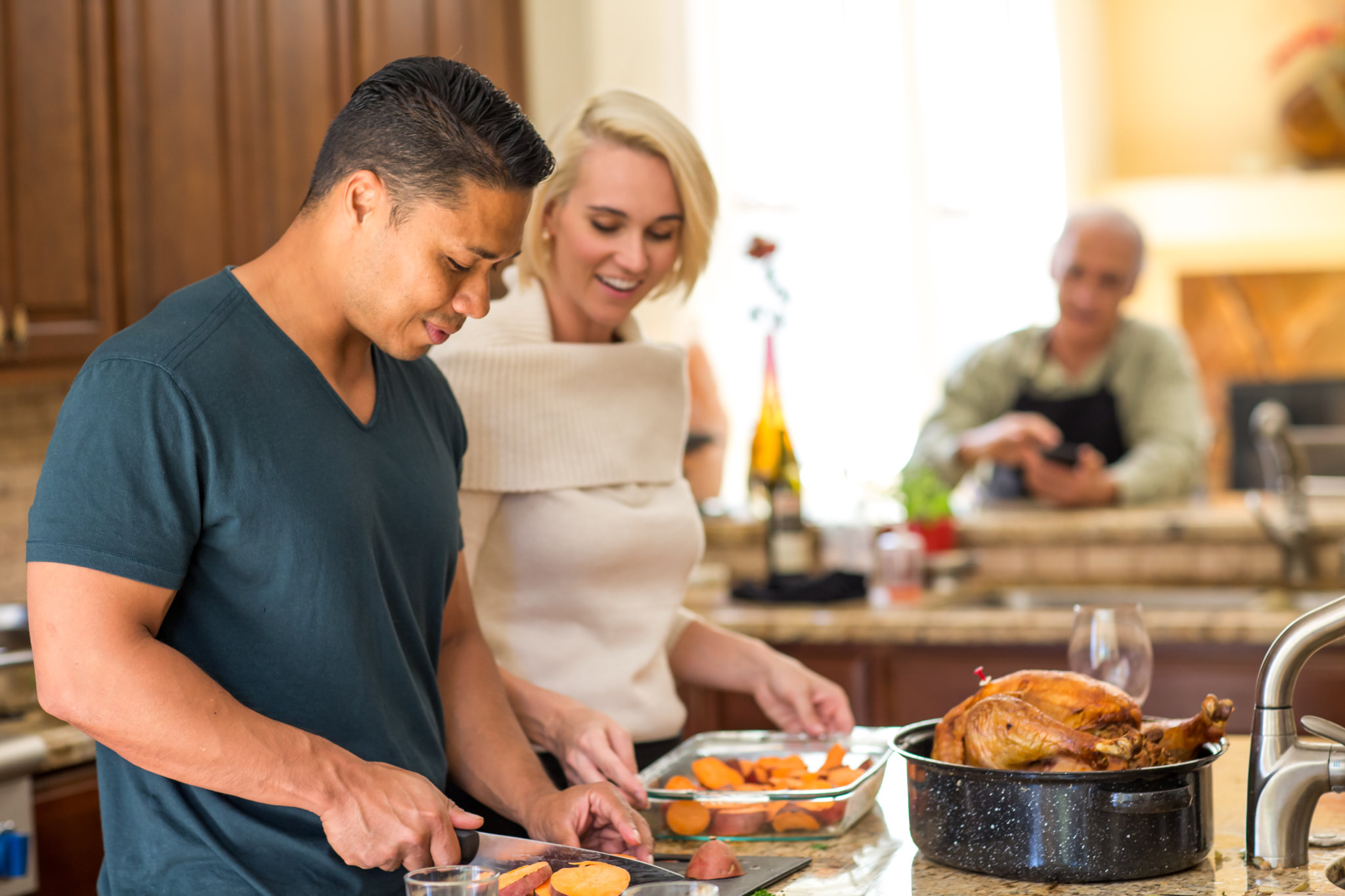
WHEN FAMILY AND FRIENDS gather to celebrate during the holidays, food usually is involved. But not all feasts turn out festive. The United States Fire Administration estimates more than 2,000 residential fires are reported each Thanksgiving, with cooking the leading cause.
Take precautions and be safe—protect your home and family from fire hazards by installing smoke alarms in every bedroom, outside each sleeping area and on every level of the home. Test the batteries in each smoke alarm every month and replace them once a year. Creating an escape plan for the whole family will ensure that no matter the circumstances, everyone knows how to exit safely.
Unattended cooking equipment is the leading cause of home cooking fires; always be sure someone takes over the preparation when needed. Before cooking, clean the stovetop and oven to wipe away any grease or dust to prevent a fire.
It’s easy to forget about something in the oven while you’re cooking, especially when entertaining guests. Use a kitchen timer to make sure your dish doesn’t burn to a crisp, creating a fire hazard. When cooking on the stove, use the back burners to protect yourself as well as any reaching hands, from spills or burns. If children are in the room, keep a close eye on them, or better yet, guide them out of the kitchen. If cooking over a hot stove, wear short or close-fitting sleeves to avoid a fire.
Always locate appliances away from the sink to avoid any electrical dangers. Plug countertop appliances into ground fault circuit interrupter protected outlets and keep cords away from hot surfaces like toasters. When they aren’t being used, unplug them to save energy and avoid electrical hazards.
Before your family sits down to enjoy the meal you just prepared, be sure all appliances have been turned off. Then you can all enjoy one another’s company during the holiday season with peace of mind, knowing that everyone is safe.
Kitchen safety checklist
Are any appliances plugged into extension cords on a permanent basis? If you answered “yes,” have a licensed electrician install new outlets where needed or move equipment closer to an outlet. Extension cords are for temporary use and can become a fire hazard.
Are all appliance cords placed so they will not come in contact with hot surfaces? If you answered “no,” move cords away from all heat sources to help keep them from melting or burning from the excess heat.
Is any cord cracked, frayed or otherwise damaged? If you answered “yes,” do not used damaged cords, especially if there are exposed wires. Have a licensed electrician replace the cord or replace the equipment.
DUSTIN SKAGGS is the Safety Coordinator, Fleming-Mason Energy.