Support vulnerable species
Get involved through Kentucky Wild
IF YOU LOVE WILDLIFE and the outdoors, Kentucky Wild is program that should be on your radar.
Created in 2018, Kentucky Wild is a membership program of the Kentucky Department of Fish and Wildlife Resources that funds conservation projects, research equipment purchases, and habitat creation and improvement for non-game species. More than 15,000 members in all 50 states have joined Kentucky Wild to support species that face threats like habitat loss, non-native species competition and disease. In addition, members have opportunities to join biologists in the field to experience conservation firsthand. Past experiences have included guided reptile and amphibian walks, fall songbird banding and “glitter tagging” freshwater mussels before they are released in the wild.
Geoff Roberts, the Kentucky Wild program coordinator, says animals like songbirds, mussels, bats, pollinators and salamanders can be easy to overlook—but they all have an ecological role to play. Many of them are known as indicator species, meaning that their presence indicates healthy ecosystems and habitats. When they start disappearing, it’s bad news for everyone.
“The reality is that many of our non-game wildlife species are vulnerable or declining, or are at high risk for decline,” Roberts says. “Kentucky Wild helps fund the conservation efforts that our biologists are involved with throughout the state for many of these vulnerable species.”
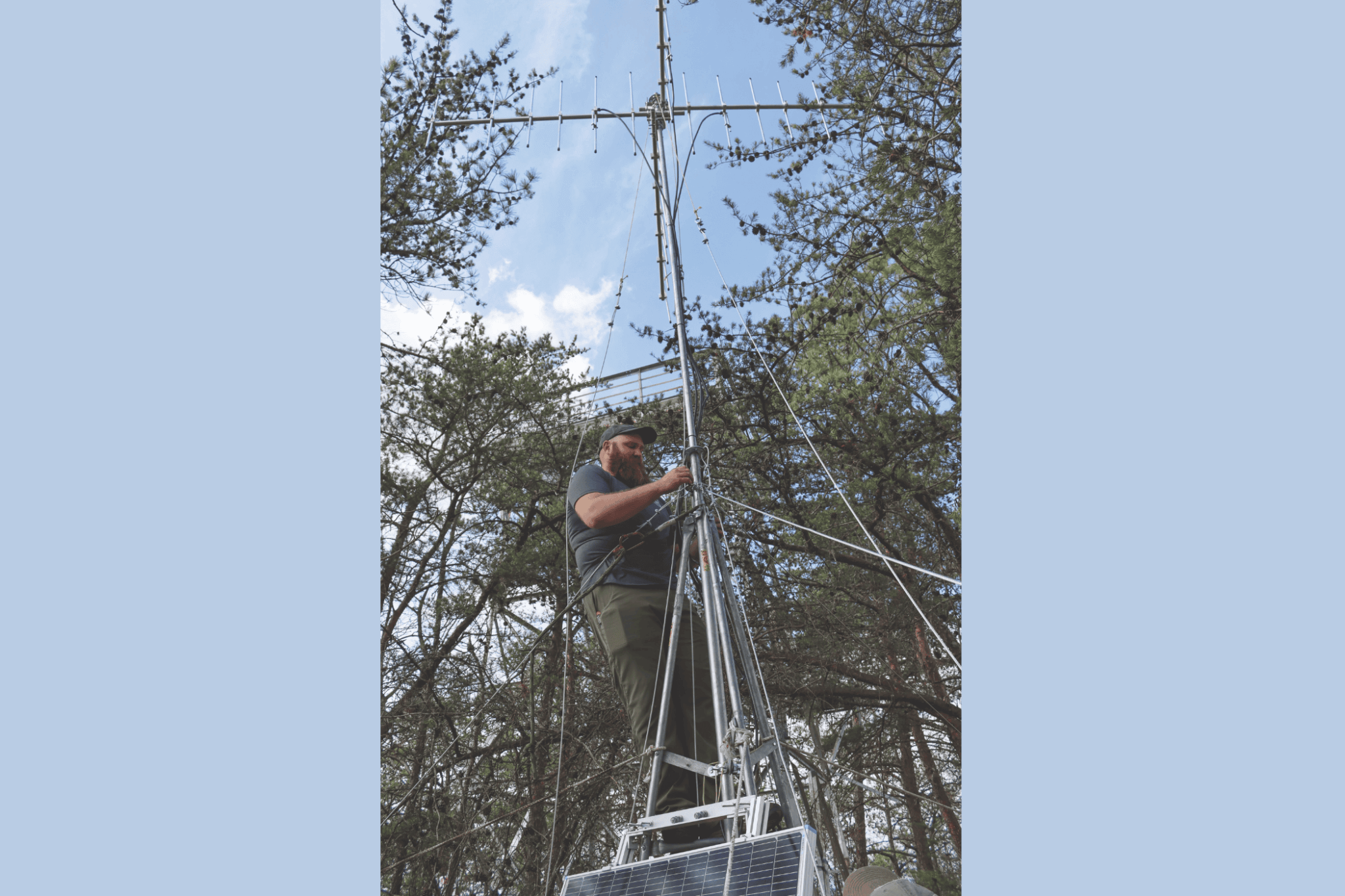
For example, Kentucky Wild supports Motus tracking in our state. The Motus system is a fascinating global collaborative network of receiver towers that records signals from tiny, specialized transmitters attached to birds, bats, butterflies and larger insects. When tagged animals fly near a Motus station, researchers obtain valuable information about animal movements, including the timing of migration. Active projects in our state include studies on the field sparrow and wood thrush, once common species now in decline.
One of my favorite examples of conservation through Kentucky Wild is the ongoing effort to survey for Eastern hellbender, which was recently proposed for listing as a federally endangered species. This giant salamander was once widespread in many of Kentucky’s creeks and rivers, but it is now extremely rare. Kentucky Wild supports ongoing surveys not only to locate healthy hellbender populations in Kentucky, but also to captively raise young that will be released to bolster existing populations.
Many years ago, I was fishing with a friend when we stopped to speak with some researchers who were wading in the river, looking for hellbenders. One of them had a big grin on her face—she’d just found a healthy hellbender, and her excitement was contagious.
Through Kentucky Wild, you can feel some of that same excitement, knowing that you are supporting critical conservation work. And who knows—you might even have a chance to get your feet wet. Learn more about the program at fw.ky.gov/kywild.