EKPC’s balanced blueprint for energy reliability
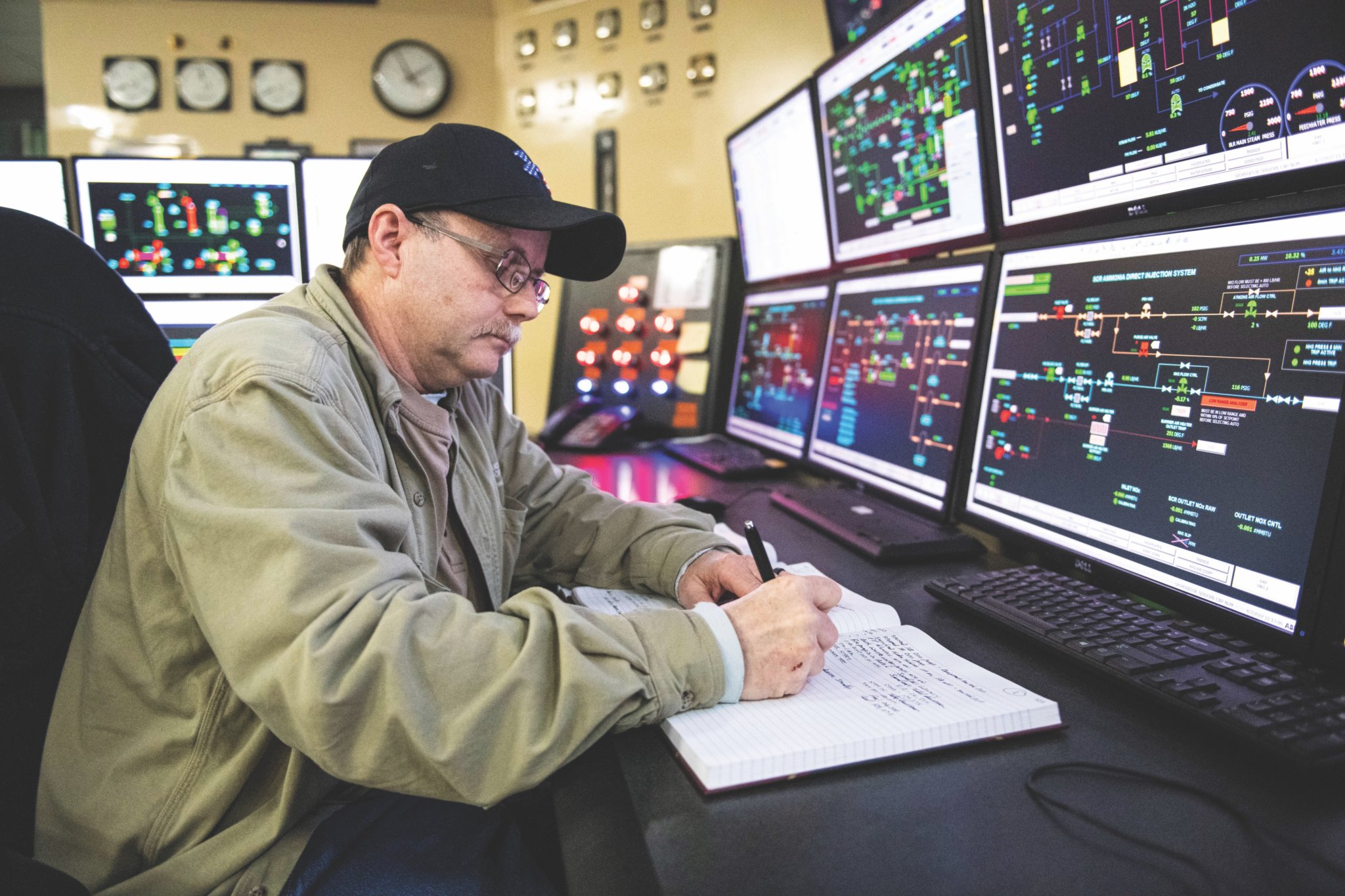
TO MEET RISING ELECTRICITY DEMAND, East Kentucky Power Cooperative is embracing a bold, forward-looking plan rooted in the “all of the above” approach to energy.
Popularized in national energy policy discussions in the early 2000s, this strategy champions diversity in energy sources—such as coal, natural gas, solar and regional grid participation—rather than reliance on any single solution. For Kentucky’s electric cooperatives, it’s more than a slogan—it’s a commitment to reliability, affordability and innovation.
EKPC’s latest infrastructure investments reaffirm that commitment, expanding generation capacity by nearly a third while empowering co-op members with energy efficiency tools and safeguarding the future of Kentucky communities. EKPC provides electricity to 16 electric cooperatives that serve 1.1 million Kentucky residents in 89 counties.
“Diversification is really key to our portfolio,” says Don Mosier, EKPC’s executive vice president and chief operating officer. “And the projects that we’re adding today really contribute to that all of the above strategy.”
During the past three winters, EKPC has set new all-time peak demand records during extreme cold events when large amounts of electricity are used for heating. The cooperative forecasts growing day-to-day power consumption will exceed the capacity of its current fleet by 2030.
New natural gas unit at Cooper Station
EKPC plans to add a new 745-megawatt natural gas combined cycle unit at Cooper Station in Pulaski County, effectively tripling the plant’s capacity to provide power and meet future energy demands.
The new unit will bolster the regional transmission grid in southern Kentucky, and it comes as national energy monitors are warning of a shortage of electric power as the most reliable energy sources such as coal plants are prematurely shut down so utilities can comply with federal environmental standards.
“When you start talking about having random and rolling blackouts, that’s nothing that any of us want to experience,” says Chris Girdler, president and CEO of the Somerset-Pulaski Economic Development Authority. “And Cooper Station is historically—decade after decade—an incredible asset to making sure that those kinds of things don’t happen here.”
Coal and natural gas combos
Meanwhile, EKPC is protecting its most dependable electric-generating resources—existing coal-fired units—in the face of the EPA’s greenhouse gas rule that went final last year.
“And that rule basically states this: if you do nothing to your coal facilities, you must close those facilities by the end of 2031,” Mosier says. “Not that far away.”
EKPC plans to convert an existing coal-fueled unit at Cooper Station and all four coal units at Spurlock Station in Mason County to enable them to use both coal and natural gas as fuel.
With those changes, EKPC will ensure continued compliance with the existing greenhouse gas rule, even as the Trump administration attempts to implement reforms.
EKPC carefully studied but ultimately rejected the idea of capturing carbon dioxide emissions of the power plant, transporting and storing it.
“We found out that it would have devastated our members’ rates,” Mosier says. “And that’s totally unacceptable.”
“We are trying to prepare for the future, but the biggest thing is uncertainty,” says Alan Ahrman, EKPC’s board chairman. “It’s like a guessing game. What’s going to happen five years down the road?”
When the next generation reviews the bold decisions EKPC is making today, “I want them to look at it and say, we made a smart decision,” Ahrman says. “We did the best we could with the information we have.”
The co-firing projects will protect nearly half of EKPC’s existing generating capacity while reducing carbon dioxide emissions.
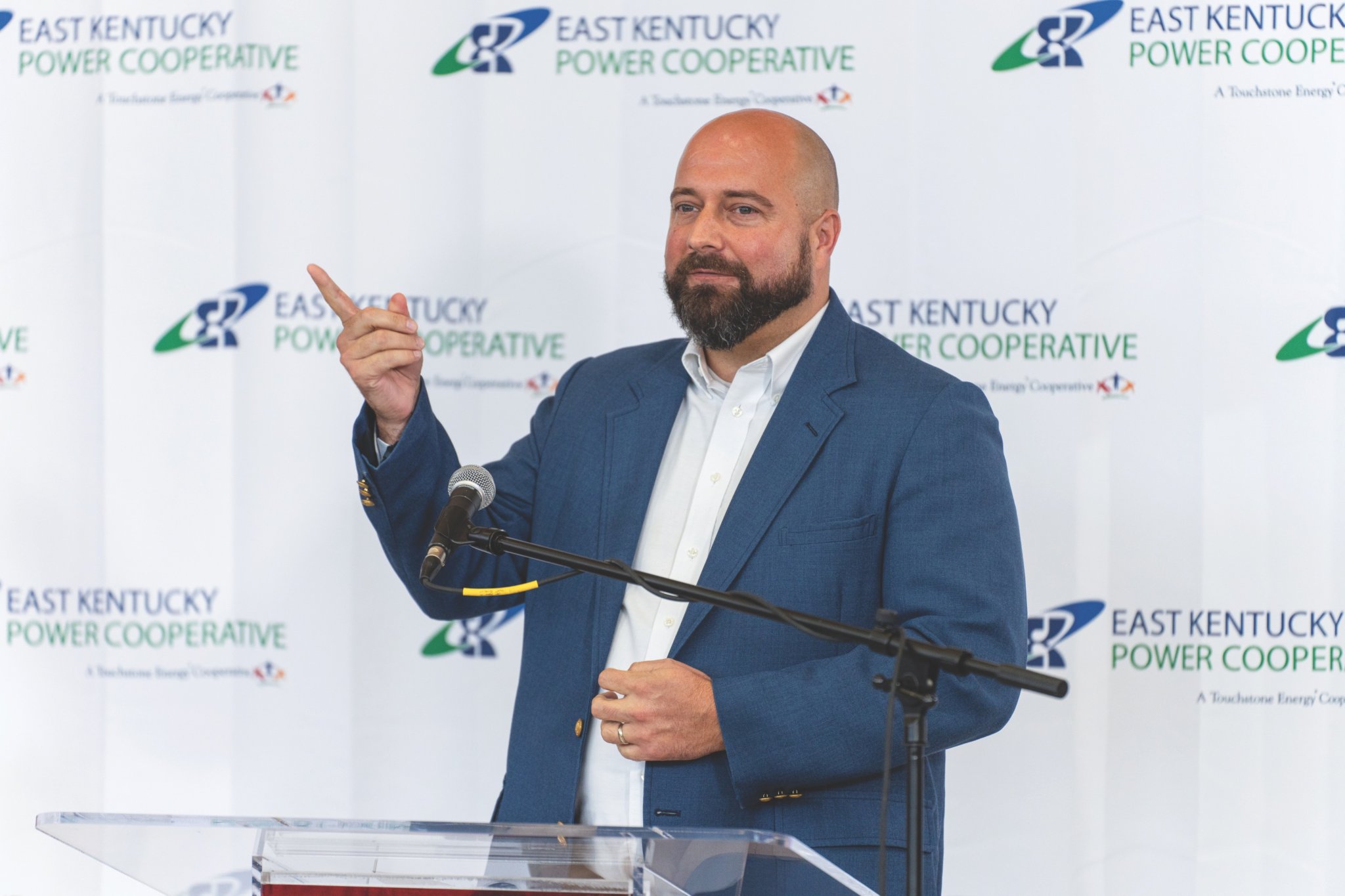
Chris Girdler, president and CEO of the Somerset-Pulaski Economic Development Authority, calls the Cooper Station plan a “monumental project” that will support affordable and reliable energy for Kentucky homes and businesses. Photo: EKPC
New natural gas plant in Casey County
EKPC plans to construct an innovative 214-megawatt natural gas power plant at a 100-acre site near Liberty, in Casey County.
Featuring 12 natural gas-fueled engine/ generator sets, the plant will be capable of rapidly starting and ramping up and down. This flexibility means the facility can support energy demands during peak usage hours or when solar facilities experience a reduction in output.
“Liberty Station will help to meet growing demand for electricity, while also strengthening the reliability of southern Kentucky’s electric grid and supporting intermittent renewables,” says Anthony “Tony” Campbell, EKPC’s president and CEO.
The plant is expected to be in operation by late 2028 and will create 23 new full-time jobs.
Expanded programs
Following a detailed cost-effective analysis, EKPC plans to more than double its investment in demand side management/energy efficiency programs, including increasing incentives for qualifying participants in the CARES low-income weatherization program.
Combined with existing programs, EKPC projects it can cumulatively reduce energy use by 69,792 megawatt-hours and cut winter peak by 38 megawatts by 2030.
Additional sources
EKPC recently secured a power purchase agreement for 100 megawatts of nuclear energy and plans to add 136 megawatts of solar capacity at facilities in Fayette and Marion counties.
“EKPC is taking steps to lower our greenhouse gas emissions intensity,” Mosier says.
“We are taking a comprehensive approach that safeguards reliability and cost-competitiveness, while boosting sustainability. Greater fleet diversity means access to low-cost energy when it is available, along with reliable, flexible power plants to keep electricity flowing when it is needed the most.”