Seeding Kentucky’s future
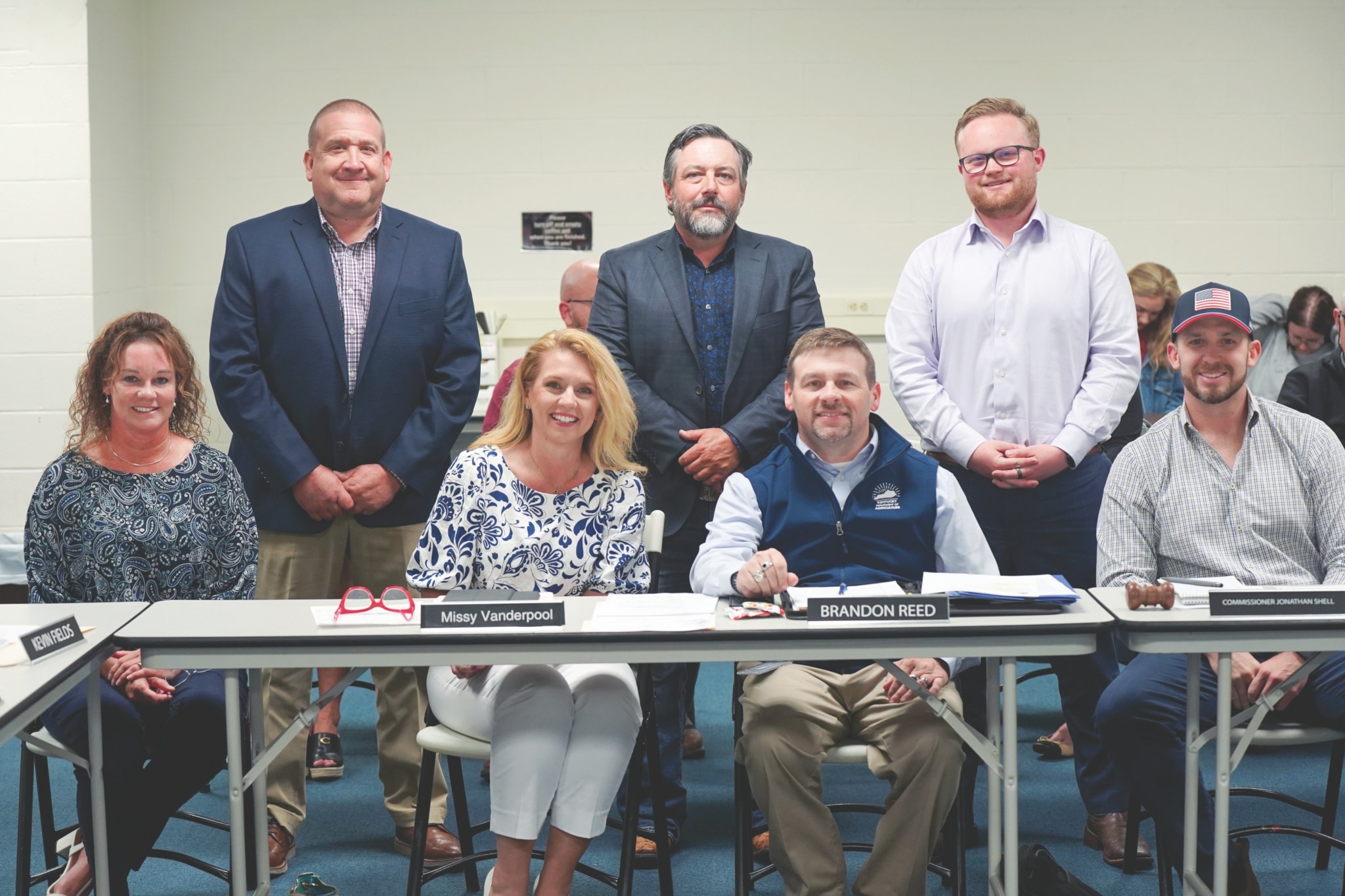
New ag development board focuses on growth, investment and opportunity
A NEW STATE BOARD is setting its sights on the future of Kentucky agriculture—one grant, loan and partnership at a time.
With the recent passage of Senate Bill 28, the Kentucky General Assembly established the Kentucky Agricultural Economic Development Board to strengthen the state’s farm economy by targeting investment, infrastructure and market development.
The board “is a yearlong collaboration between the Department of Agriculture, farmers, business leaders, community stakeholders and the General Assembly,” says Commissioner of Agriculture Jonathan Shell, who serves as chairman. “I am excited to see the work this board will accomplish to move Kentucky agriculture forward, and I couldn’t ask for a better group of individuals to get this work started.”
The board offers financial tools such as grants, forgivable loans and revolving loan funds to support agricultural infrastructure, value-added production and rural entrepreneurship. It’s part of Shell’s Agriculture is Economic Development initiative, which grew out of a 2024 statewide listening tour with farmers and stakeholders.
The board launches at a meaningful and fitting moment, says Brandon Reed, the executive director of the Kentucky Office of Agricultural Policy, which this year marks its 25th anniversary.
“Commissioner Shell’s vision and passion for advancing Kentucky agriculture are second to none,” Reed says, “and I’m proud the General Assembly recognized that by creating this board. I look forward to working alongside my longtime colleague Jacob Estes to bring that vision to life.”
Estes leads the new Division of Agricultural Economic Development within the Kentucky Department of Agriculture.
“We have worked alongside these outstanding agricultural leaders for many years,” says Chris Perry, president and CEO of Kentucky Electric Cooperatives. “We welcome the Kentucky Agricultural Economic Development Board to the ongoing efforts of co-ops across Kentucky to support job creation and improve the quality of life in the communities we serve.”