Power to the people

Kentucky’s electric co-ops stand up for consumers in a time of change
When headlines warn of soaring energy costs, grid stress and the explosive growth of data-hungry industries, it is natural to wonder who is looking out for everyday Kentuckians. In much of Kentucky, electric cooperatives take up that charge.
As member-owned, not-for-profit utilities, co-ops are built to protect the people they serve. And today, as the energy landscape shifts rapidly, co-ops are stepping forward—advocating for fair policy, planning responsibly for new industrial load and pushing back when proposals threaten the reliability of the grid, the wallets of consumer-members or both.
From soaring infrastructure costs and federal regulatory shifts to the sudden arrival of massive data-center developers looking for hundreds of megawatts of power, Kentucky’s cooperatives are stepping into a new era of advocacy.
“We exist to serve the people of rural Kentucky,” says Don Mosier, president and CEO of East Kentucky Power Cooperative. “That means planning responsibly, investing carefully and speaking up when policies or proposals threaten the affordability or reliability our members depend on.”
EKPC is owned by 16 local electric distribution co-ops, delivering power to more than 1 million people across 89 Kentucky counties.
A case study in consumer advocacy
In October, EKPC teamed up with Kentucky Attorney General Russell Coleman to challenge a proposal from PJM Interconnection—the regional grid operator serving part of eastern Kentucky and 12 other states.
NRECA
At issue is how PJM would allocate the costs of emergency federal orders requiring some coal-fired plants to remain online. PJM’s plan would spread those costs across the entire region— even in states, like Kentucky, that have responsibly secured their own reliable generation resources and kept them operating. That’s in contrast to other states that advanced policies to close plants, contributing to the shortfall.
In a formal protest filed with federal regulators, EKPC and the attorney general argued that PJM’s plan violates longstanding principles and would unfairly raise bills for Kentuckians. Coleman said bluntly that Kentuckians should not be forced “to pay for someone else’s poor planning.”
For co-ops, this is what consumer advocacy looks like: stepping in with facts and evidence when policy proposals threaten to shift unjustified costs to the very families co-ops are built to protect.
Planning for growth without burdening the consumer
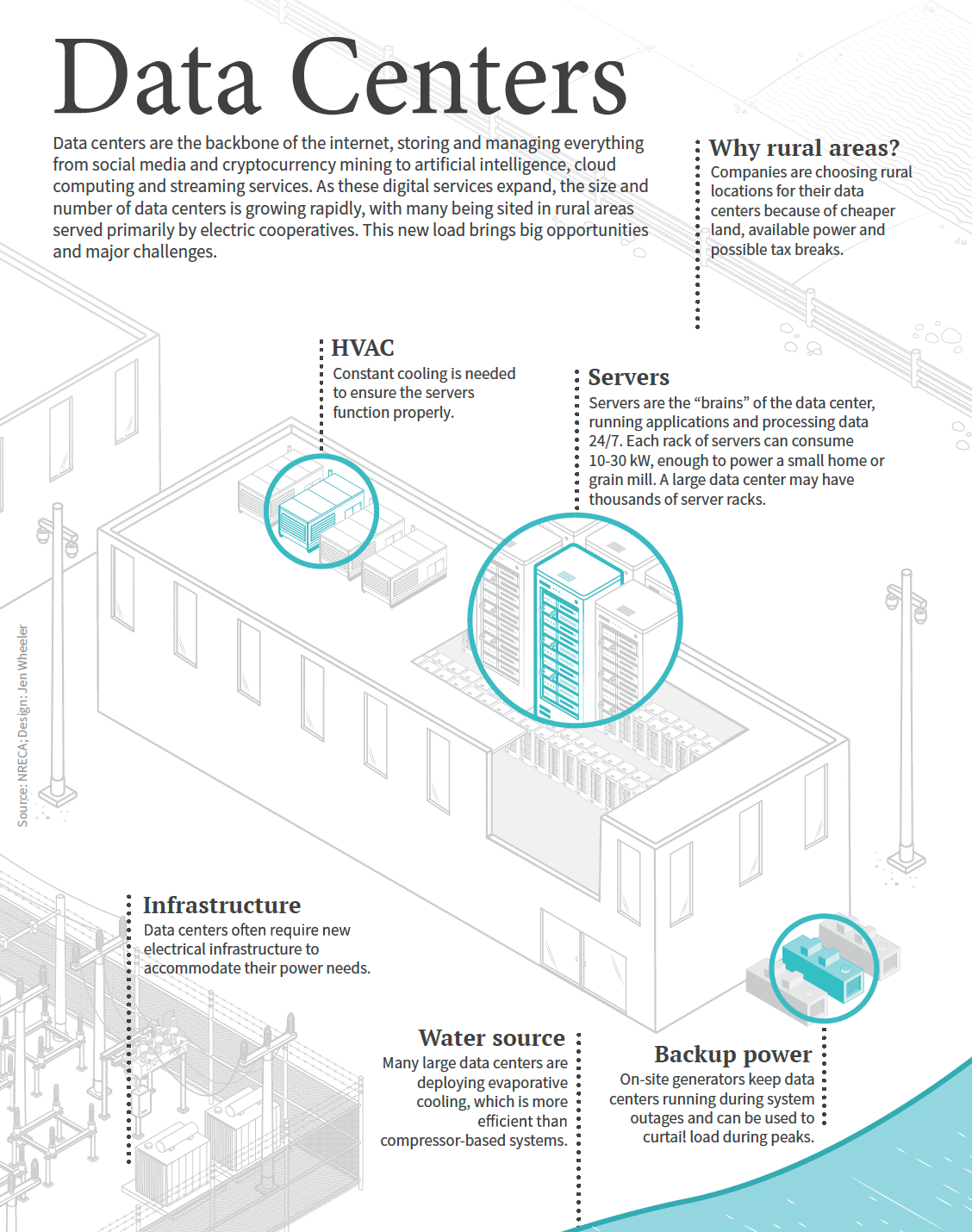
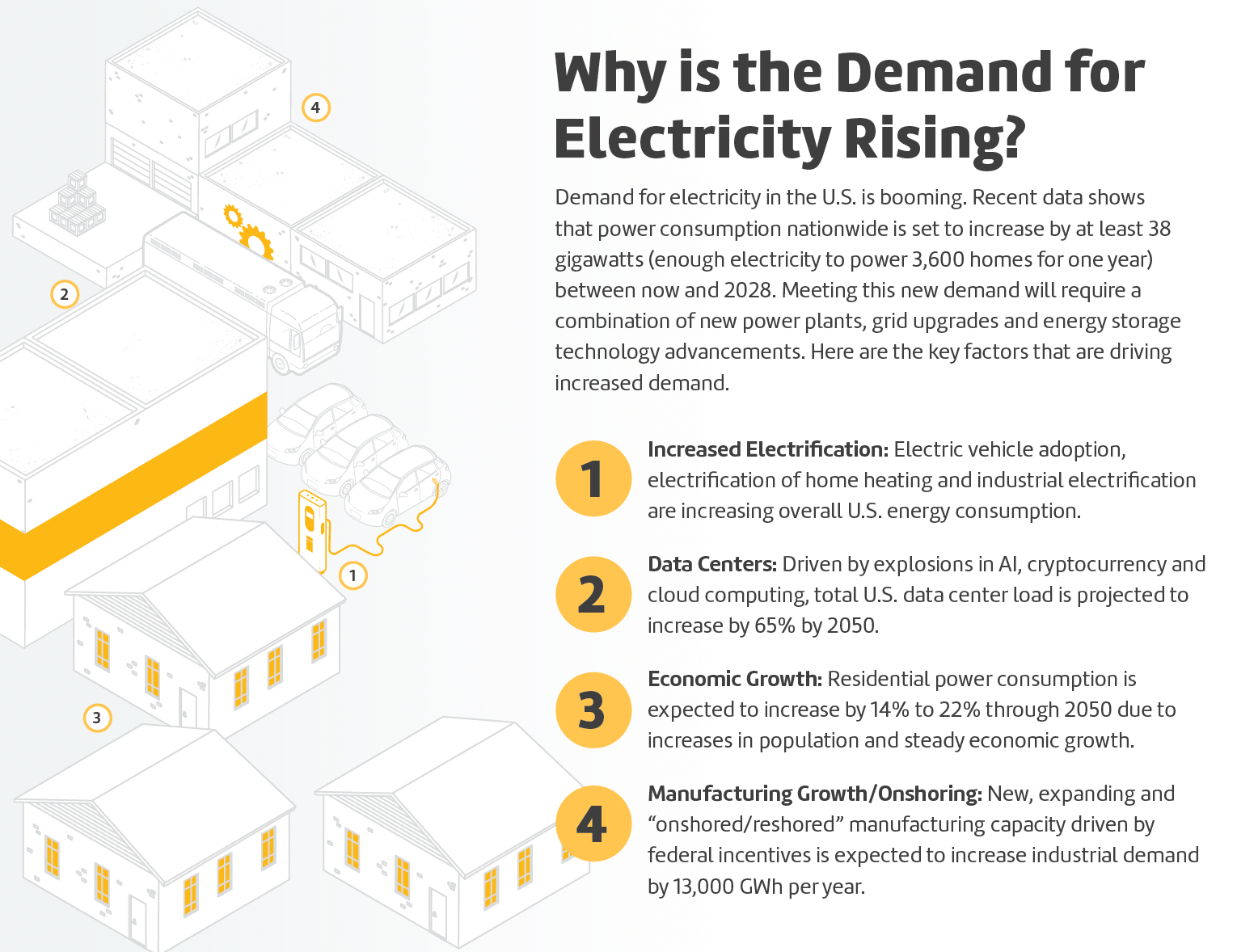
Across the nation, the rise of artificial intelligence and cloud computing has sparked a flood of data center development, offering opportunities such as jobs and additional tax base. These facilities can require hundreds of megawatts of electricity—enough to power tens of thousands of homes.
Kentucky’s relatively low energy prices and available land have already drawn interest from major developers. But “the siting of these particular centers will be a concern, especially in communities that have water and resiliency needs already,” Kentucky Energy and Environment Cabinet Secretary Rebecca Goodman warned at the Kentucky Electric Cooperatives Annual Meeting in August. “And the cost associated with the energy that’s required is going to be a real challenge.”
At the same time, Goodman applauded EKPC for working to create a framework that addresses these challenges while shielding existing members from additional costs.
Co-ops have been proactive in preparing for the possibility of serving data centers because, under Kentucky law, they are legally obligated to serve any new home, business, factory or even data center that locates in their territories.
EKPC’s Data Center Power tariff—the first of its kind among cooperatives— ensures that developers shoulder the full cost of serving their load, including required studies, upgrades and even dedicated generation resources for very large projects. The rationale is simple: economic development is welcome, but not at the expense of existing members.
Big Rivers Electric Corporation, owned by three distribution co-ops that serve 22 counties in western Kentucky, shares the same philosophy. President and CEO Don Gulley emphasizes that large loads must not be subsidized by local families and small businesses. “Any large-load project must stand on its own two feet,” Gulley says. “These new loads should strengthen the system, stabilize rates and create long-term value for the communities we serve.”

Warren RECC CEO Dewayne McDonald, left, Jackson Purchase Energy Cooperative CEO Greg Grissom and Pennyrile Electric Board Chairman George Fox talk with Rep. James Comer during the National Rural Electric Cooperative Association Legislative Conference in Washington, D.C., last spring. Photo: Wade Harris
The Tennessee Valley Authority, which serves five of the 24 distribution co-ops in Kentucky, is sounding the same note of caution. TVA reports that data centers jumped from just 1% of its industrial load in 2019 to 14% in 2024, with 11,000 megawatts of new requests now pending.
NRECA
“TVA is focused on ensuring customers do not subsidize power for industries such as data centers,” says TVA spokesman Adam May. “We’re not saying no—we’re saying ‘yes, but…’ It will take us time to add new generation to meet the growing demand. We also work with data centers to ensure they participate in demand response programs where they reduce their load on the grid during peak demand times such as cold winter mornings and hot summer afternoons.”
Why co-op advocacy matters now
While data centers draw headlines, rising electricity costs have deeper roots. National studies show dramatic rises in the cost of poles, wires and transformers, coupled with the costs to comply with ever-changing federal environmental regulations. Many coal plants were forced into early retirement not because they were unreliable, but because the cumulative regulatory burden made continued operation financially impossible.
The results are increasing energy prices and decreasing reliability—consequences co-ops warned policymakers about for years.
Today, co-op representatives continue showing up in Frankfort and Washington as consumer advocates.
“Kentucky’s electric cooperatives are locally grown and community focused, and that’s what everybody expects. That’s what we appreciate about you,” Goodman told co-op leaders. “You’re trusted in your communities. When you speak, people listen, and when you act, you make a real difference.”
In a rapidly changing energy landscape, Kentucky’s electric cooperatives are determined to keep earning the trust of consumer-members and policymakers by planning wisely, advocating boldly and protecting their members above all else.
WHAT IS A DATA CENTER TARIFF—AND WHY SHOULD YOU CARE?
Most headlines that include the word tariff refer to international trade. But in the utility world, a tariff is something very different: it’s the public, legally binding rulebook a utility must follow when serving any customer, whether it’s a family home or a major industry.
East Kentucky Power Cooperative’s new Data Center Power tariff was created because data centers are unlike any other type of customer. They require enormous amounts of continuous electricity, often equal to tens of thousands of homes. This new rate schedule requires the data center to pay for the infrastructure needed to serve it, to avoid driving up costs for everyone else on the grid.
The Data Center Power tariff prevents cost shifting from happening. Here’s how:
- Developers pay their own way. The tariff requires data center operators to fund the engineering studies, power upgrades and transmission improvements necessary to serve their load.
- Large facilities must secure dedicated resource. For the biggest projects—250 megawatts or more—the developer must provide dedicated generation capacity, so co-op members never subsidize their energy needs.
- Every project gets reviewed by state regulators. The Kentucky Public Service Commission must review and approve each data center contract, ensuring transparency and fairness.
- Member protection comes first. Economic development is welcome, but not at the expense of existing co-op members.
EKPC created one of the most consumer-focused approaches in the nation, ensuring that the benefits of development come without hidden costs to Kentucky families.
HOW CO-OPS, ALLIES ARE CONSUMER ADVOCATES
Grassroots policy mobilization: Kentucky co-op consumer-members can join a grassroots coalition at RuralPowerKY.com. In partnership with Voices for Cooperative Power, grassroots allies receive action alerts when important legislation is pending.
Nonpartisan voter engagement: Since 2016, Kentucky Electric Cooperatives has partnered with the secretary of state on Co-ops Vote to boost voter turnout in the areas served by cooperatives, so member priorities shape elections.
Legislative and regulatory representation: As seen in the Kentucky Electric Cooperatives Legislative Guide in the center of this magazine, co-ops help connect consumer-member concerns with policymakers. Co-ops advocate on rate design, permitting, reliability standards and tax/environmental rules that directly affect member bills and service.
Co-op Caucus: More than 100 lawmakers make up the bipartisan Kentucky Electric Cooperatives Caucus, formed two years ago as the official group of legislators who are dedicated to representing the interests of local co-op constituents by supporting policies that promote reliable energy at competitive rates. See the caucus roster in the Kentucky Electric Cooperatives Legislative Guide in the center of this magazine.
PAC contributions: Kentucky’s Electric Cooperatives PAC and America’s Electric Cooperatives PAC support candidates who prioritize cooperative consumers and rural reliability. Contribute at RuralPowerKY.com.