Rise and shine
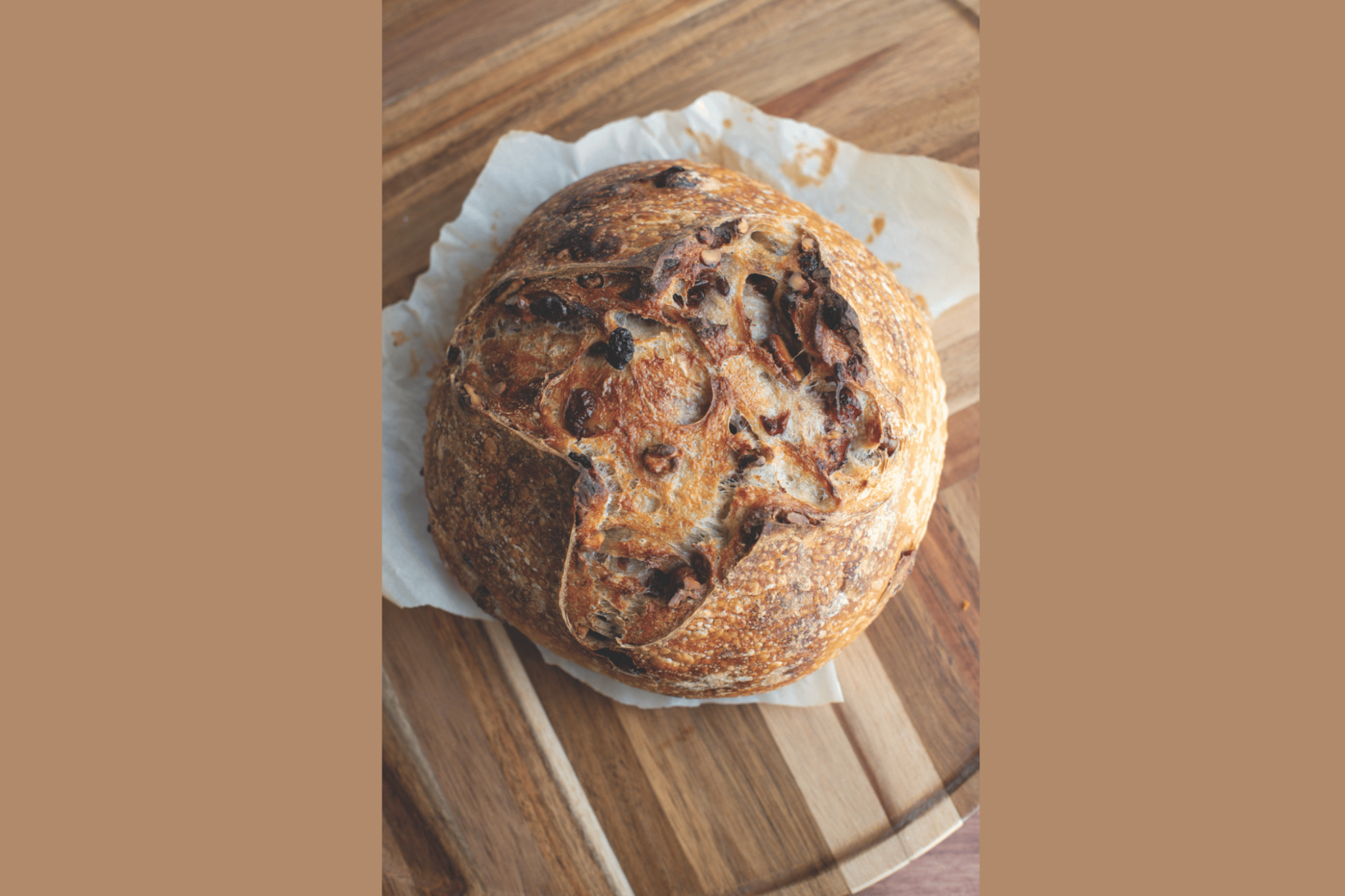
The art of baking sourdough bread
Sourdough bread dates back thousands of years to ancient Egyptian bread makers. With renewed interest among home bakers and local bakeries alike in the art of baking sourdough, these fermented baked goods are on the menu in today’s Kentucky kitchens.
“If you’ve ever tasted real, homemade, naturally leavened sourdough bread, you know the difference,” says Amy Coyne of Georgetown, a sourdough recipe developer and cookbook author. “That crispy crust and soft, airy middle create flavor and texture that are much more satisfying than store-bought bread.”
Coyne’s early start
When she was a child growing up overseas, Coyne’s family shopped regularly for fresh sourdough bread at European bakeries. But when the family moved back to the U.S., that kind of artisanal bread wasn’t readily available. Years later, Coyne’s aunt brought a loaf of bread she’d made with a sourdough starter to Thanksgiving dinner. “I was like, this is the bread that I want to make,” Coyne says.
By then, the married, young mom was looking for ways to feed her kids “better bread.” Determined to make her own sourdough starter, she searched the internet to learn how. “It took me five or six weeks, but I was able to successfully make my first sourdough starter and start baking some of these incredible loaves of sourdough bread,” says Coyne. “Ever since then, I’ve been fascinated with how sourdough works and wanting to make a better product for my family.”
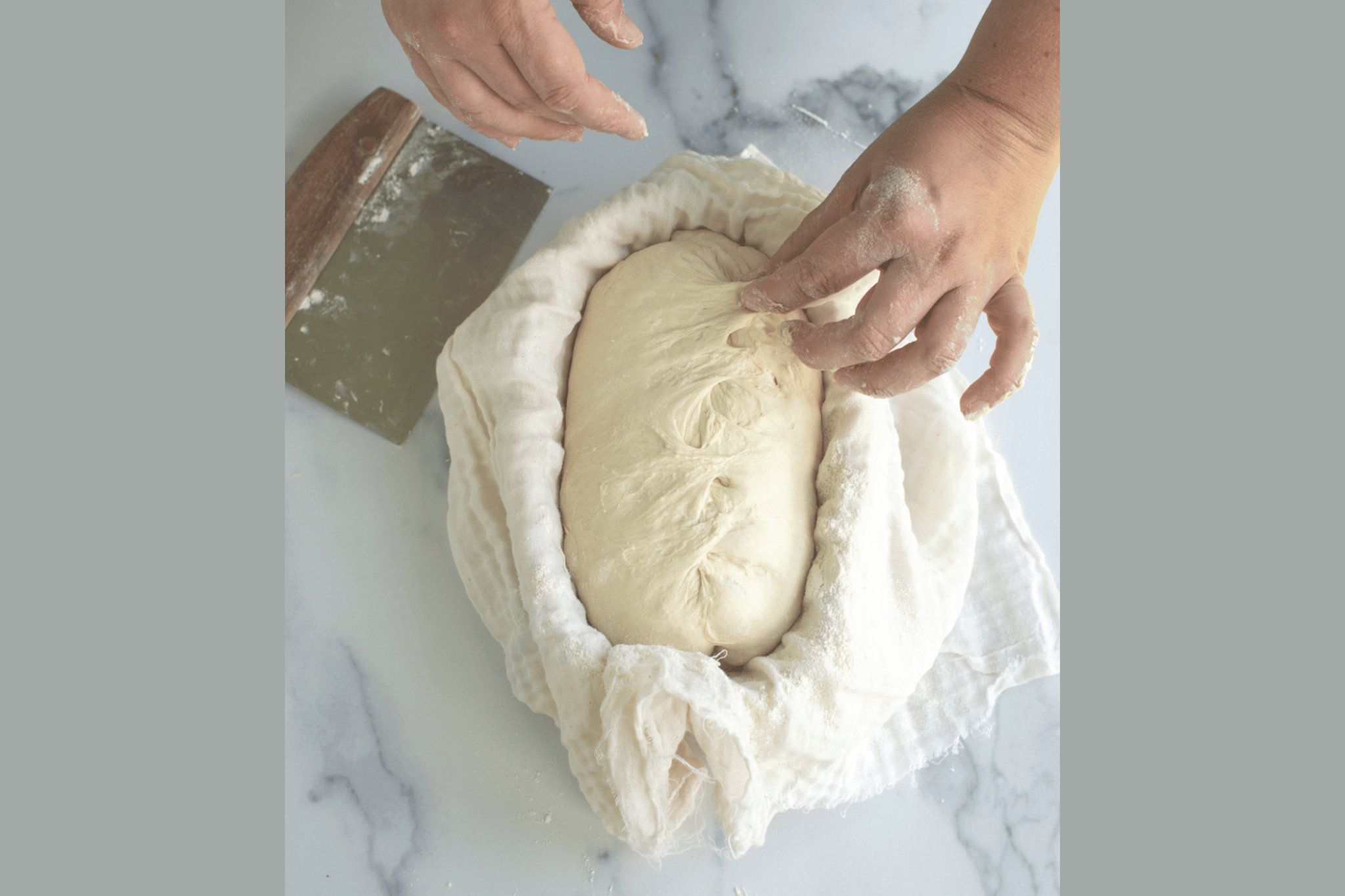
Amy Coyne shapes an oval loaf before its final rise in a basket, called a banneton. Photos: Amy Coyne
Now, over 14 years later, she has developed a variety of recipes, like sandwich bread, cinnamon rolls, croissants and more. She has even perfected recipes from pancakes and muffins to crackers using the sourdough discard, which is the unfed sourdough starter that’s often thrown away—but doesn’t have to be—during routine starter maintenance.
“Sourdough is a traditional way of making bread, and we all deserve good bread we can make in our own kitchens,” Coyne says. “It’s approachable, anyone can do it and it doesn’t have to be complicated.”
Brianna’s Bakery
Pennyrile Electric co-op consumer-member Brianna Flores always enjoyed baking. She loved the taste of sourdough and was interested in making it. After getting a neighbor’s starter a year ago, Flores began baking sourdough bread for family and friends. When others wanted her sourdough, Flores decided to open a bakery in Elkton—Brianna’s Bakery.
“I love the joy it brings others and the community it builds,” says Flores. “It’s simple, healthy and tastes great. And there is so much variety with it, too.”
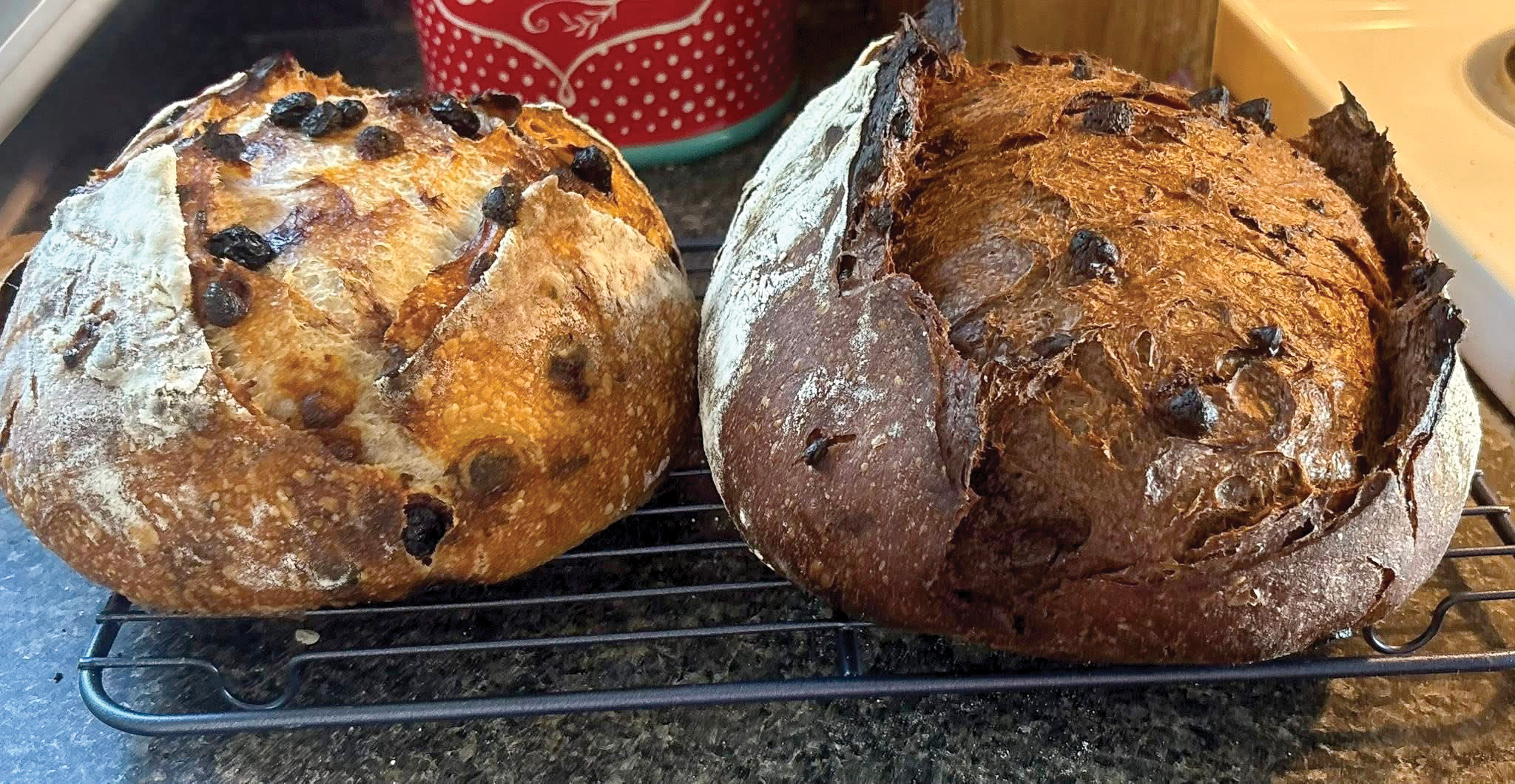
Two chocolate chip loaves made by Brianna Flores cool on a rack. Photo: Brianna Flores
Her customer-favorite sourdough flavors include lemon blueberry, jalapeño cheddar and double chocolate chip—the bread itself is chocolate with cocoa powder and chocolate chips mixed in. In Flores’ own kitchen, she loves to use regular sourdough for grilled cheese sandwiches. She also tops her salad with sourdough croutons.
“Every loaf is a new experience and a learning process,” says Flores, who advertises her baked goods as being “handmade with real ingredients, lots of care and a whole lot of love.”
The science of sourdough
Sourdough isn’t made with supermarket yeast packets. “All you need is flour, water, salt and a sourdough starter, which itself is just flour and water that has been fermented with wild yeast and bacteria,” Coyne says, noting she purchases flour from Weisenberger Mills in Midway.
How does the starter work? Initially, starter is simply a mixture of flour and water, but over time, wild yeast—a microorganism already present in nearly every kitchen environment—transforms it into a living culture. “The wild yeast in a sourdough starter produces carbon dioxide, which creates those beautiful air pockets and helps the dough rise,” Coyne explains on her blog, Amy Bakes Bread, which has over 2 million monthly views. “Lactic acid bacteria and acetic acid bacteria work alongside the yeast to ferment the dough.” Acting as natural preservatives, these acids also create the sourdough flavor craved by bread lovers. “And no, sourdough doesn’t mean your bread will taste sour,” Coyne adds.
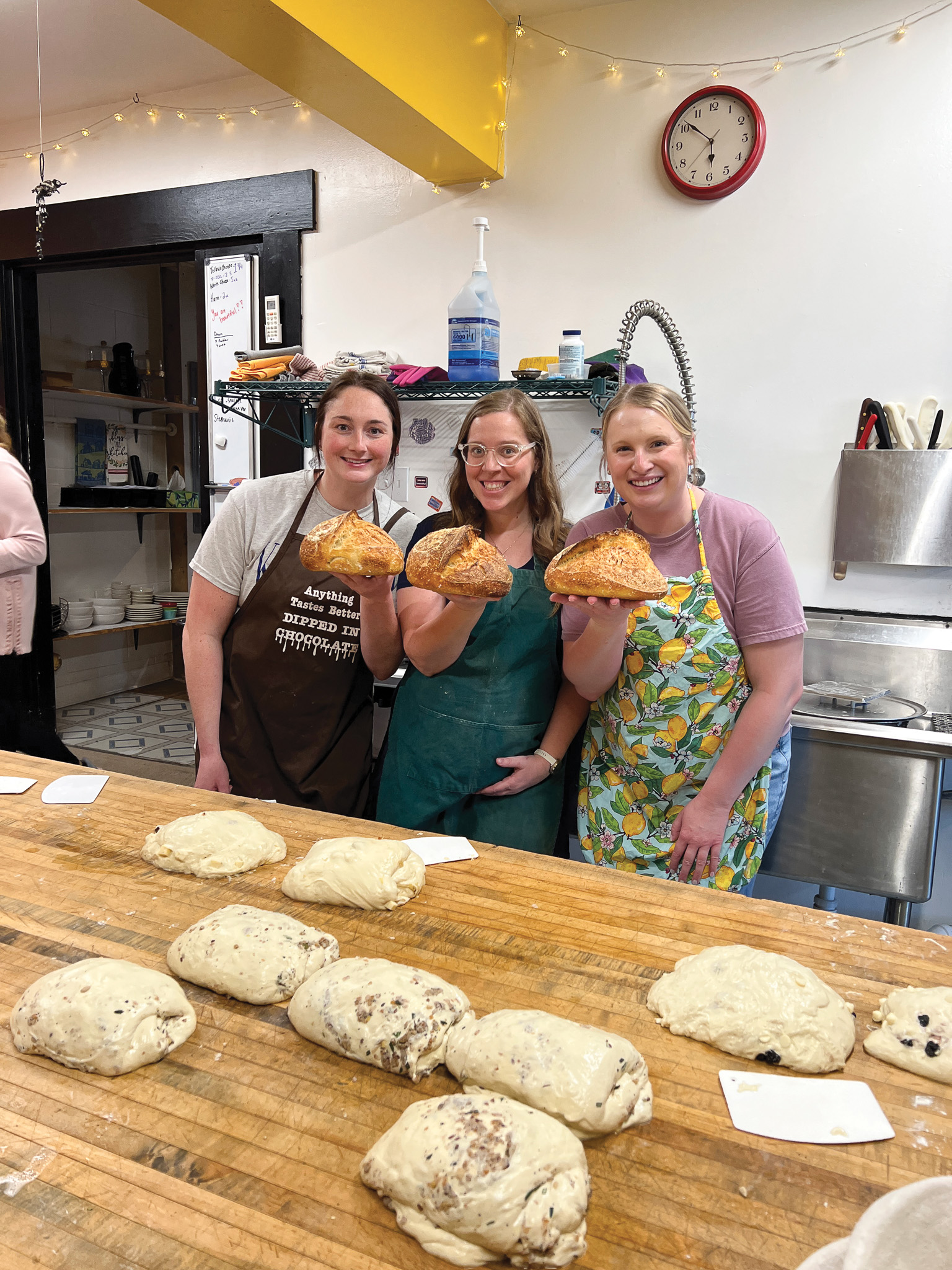
Students show off their homework after a class taught by Lori Himmelsbach of The Kentucky Millstone. Photo: Lori Himmelsbach
Sourdough starter is a live culture, requiring regular feedings of flour and water to remain active. After achieving a healthy sourdough starter, Coyne says, “You can make fresh sourdough bread anytime you want.”
For Flores, for example, preparation starts the night before she plans to bake when she feeds her starter before going to bed. “And then when I wake up in the morning, most of the time, it’s perfectly risen, ready to make a loaf,” she says.
Additionally, since sourdough has a long fermentation, or rise, Coyne believes it’s a healthier bread option, noting, “It gives the wild yeast and bacteria time to begin breaking down the gluten, which makes it an easier bread for our bodies to digest and puts it lower on the glycemic index.”
Sourdough tips + tools
When it comes to a starter, Flores says there’s “no shame” in getting an established starter from someone else: “And if you want to learn how to make your own in the future that’s great, but it’s a lot easier to get frustrated easily when you’re having to make your own starter versus having one already made and being able to just jump into the bread itself.”
Having learned a lot through trial and error in baking sourdough bread for over a decade, Coyne offers these helpful tips:
Temperature matters—Wild yeast and bacteria are more sensitive to temperature than commercial yeast. Cooler kitchens mean slower fermentation, while warmer ones will move things along faster.
Expect sticky dough—Sourdough dough is much wetter than traditional bread dough, so it will be sticky. Use slightly damp hands when handling the dough. Sourdough doesn’t require a mixer; gentle stretches and folds are all that’s needed.
- Use the refrigerator to make sourdough fit your schedule—Some people get nervous about keeping a living starter and feel like they have to take care of it constantly. Once your starter is established, it can rest in the refrigerator until you’re ready to bake again.
- Don’t give up—If you’re new to sourdough, it may take a few loaves before everything starts to click. Make the recipe a few times and adjust as you go.
- To avoid clogging your kitchen sink, never rinse starter or discard down drains. Always use paper towels to remove as much dough as possible from your hands and bowls.
For successful beginner baking, Coyne recommends three tools—a kitchen scale, a Dutch oven and a thermometer. “A kitchen scale helps you measure ingredients accurately, which is especially helpful since sourdough dough is much wetter than traditional doughs,” she says. “A Dutch oven traps steam so your bread can rise properly in the oven, and a thermometer helps you monitor temperature, which is key to keeping your sourdough starter happy.”
Flores also suggests using a Dutch oven, adding that any pot oven-safe or pan with a lid that holds in steam would also work for a beginner sourdough baker.
A sourdough community rises
With a passion for sourdough and armed with an education degree, Coyne launched her own cookbook in 2025, The Beginner’s Guide to Sourdough. She also teaches online sourdough classes, including a step-by-step beginner’s course. “I love sharing sourdough because I hear from people almost daily who say baking sourdough has changed their lives and their families’ lives, and helping others gain that confidence in the kitchen is incredibly rewarding,” she says.
Flores has learned a lot online from watching other bakers on social media. “I follow a bunch of home bakers and more actual industrial bakeries just to learn new techniques or new flavors or even the equipment that they use,” she says. One beginner-friendly cottage baker she follows on TikTok is Basil & Bloom.
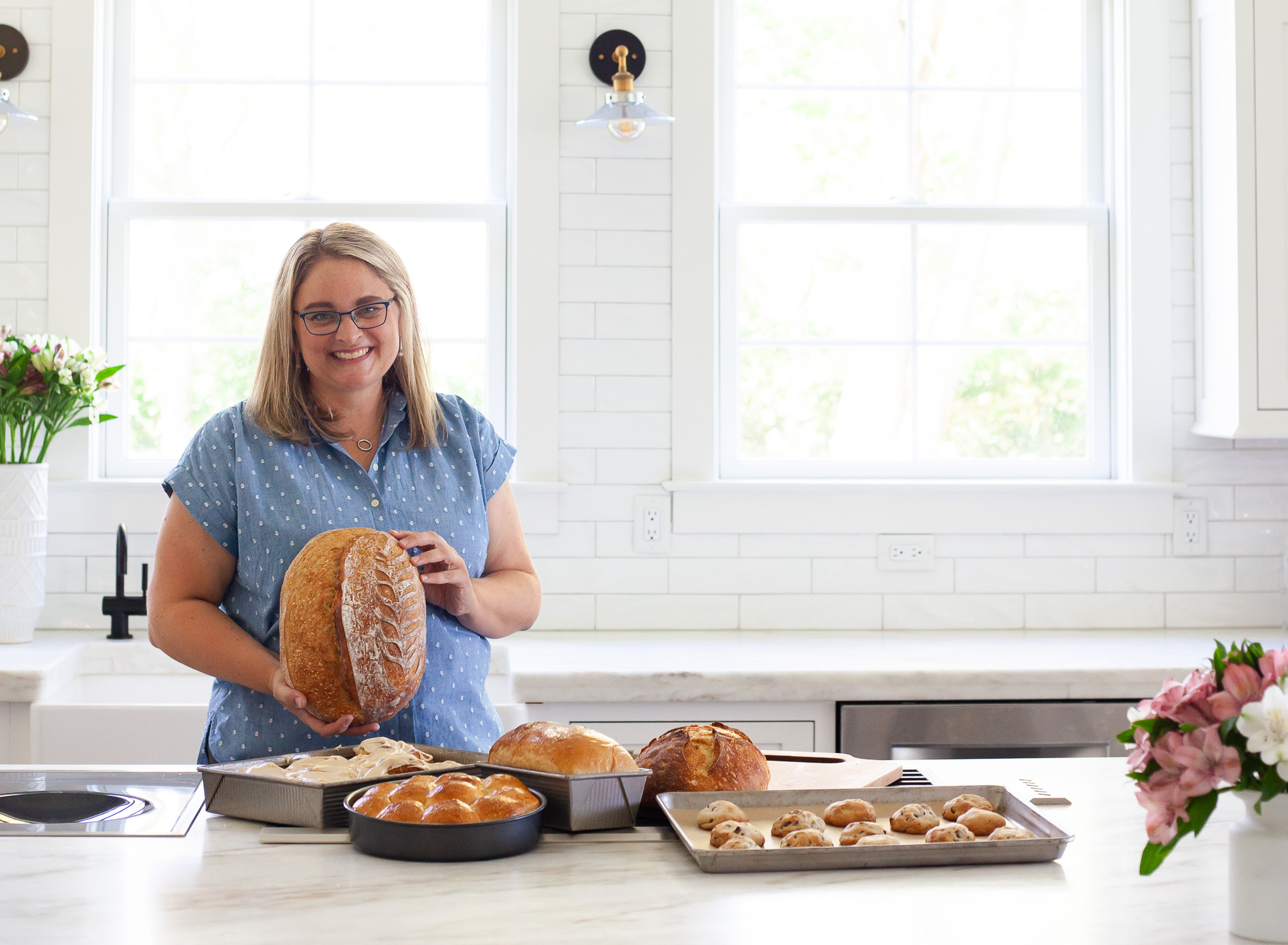
Amy Coyne is a Georgetown-based baker, educator and author. Photo: Marissa Noe
The Kentucky Millstone owner and chef Lori Himmelsbach offers in-person sourdough classes in Butler. “For the beginning baker, we break down how to make sourdough bread, bagels and pizza, in manageable steps,” says Himmelsbach, an Owen Electric consumer-member. “We also teach you how to fit caring for your starter into your everyday life.” Beginners will learn every step— from mixing, kneading, shaping and scoring to baking—to create an amazing, tasty, beautiful loaf.
Taylor County family and consumer sciences agent Kimberly Thomas offers beginner’s sourdough classes where attendees walk through the step-by-step process of turning a starter into a fresh loaf of bread—plus, they take home an established sourdough starter. “Taking a class can give you a head start because you’re learning from someone who has already made the mistakes and figured out the tricks that simplify the process,” says Thomas.
Coyne recently visited a park where she overheard a group of women talking about their sourdough bakes, sharing tips and laughing about their latest loaves. “It reminded me how much this kind of baking brings people together,” she says. “And truly, there’s nothing better than pulling the lid off your first loaf, seeing that beautiful oven spring, and realizing you created something amazing from just flour, water and salt.”
Anita Travis Richter contributed reporting to this story.

Sourdough starters
Check out these how-to’s, photos and videos on baking sourbread:
- Sourdough baker and author Amy Coyne’s website and Facebook page.
- amybakesbread.com or follow her on FB: Amy Bakes Bread
On her Facebook page, Brianna Flores’ Brianna’s Bakery displays the delicious baked goods she is serving up in Elkton.
Coyne’s shows you how to get started baking sourdough, and supplies easy beginner recipes and on her YouTube channel.
Understanding sourdough lingo
Amy Coyne shares some basic sourdough terms for new bakers:
Starter—A sourdough starter is a living culture of wild yeast and beneficial bacteria, kept alive by feeding it fresh flour and water. The wild yeast helps bread rise, while the bacteria create the acids that give sourdough its flavor and help strengthen the dough. If you keep your starter healthy and regularly refreshed, it can be used to make bread for years.
Active Starter—A starter that has been recently fed, is doubled in size and bubbly. This is the stage when it’s strong enough to bake bread.
Discard—Sourdough discard is the portion of starter that’s removed before feeding the starter more flour and water. This keeps the starter from growing too large and helps keep it healthy and active. Even though it’s called “discard,” you don’t have to throw it away. Many bakers use it in recipes like pancakes, muffins, crackers and other easy sourdough discard bakes.