Peak performance
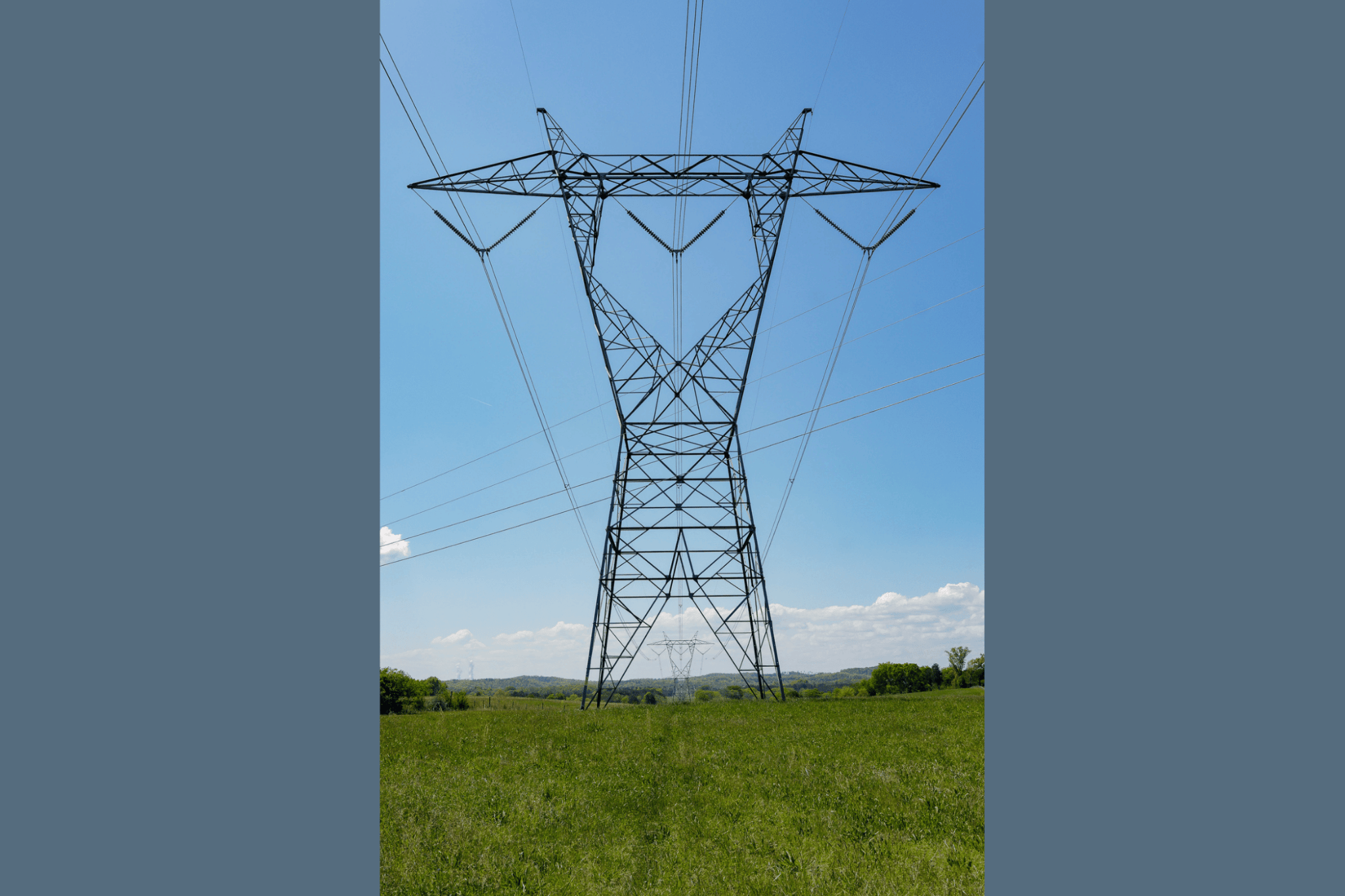
Peak demand is the period in a given range of time—day, month or year—when electricity use is highest. It’s caused by many people using energy-consuming equipment at the same time. Demand is typically highest on hot summer afternoons and cold winter mornings. Most utilities also experience daily peaks when people are getting ready in the mornings and returning home in the evenings.
When everyone uses more energy at the same time, it puts more stress on the electric grid and requires more expensive electricity to meet the need. The price of electricity is higher when the demand is higher. There are habits we can adopt that can help.
Good and bad examples
Joe and John arrive home from work at 5:30 p.m. They both turn on the oven to make dinner. While John waits for the oven to preheat, he throws in a load of laundry. After dinner, he cleans up and starts the dishwasher. Then, he moves the clothes to the dryer.
Joe, on the other hand, finishes dinner, loads the dishwasher and sets it to start at 10 p.m. He puts a load of laundry in the washing machine and later that evening switches it over to the dryer.
Although they use the same appliances and amount of energy, John uses it all at once, running multiple appliances during peak hours, creating higher demand and more strain on the electric grid while using more expensive energy.
MIRANDA BOUTELLE writes on energy efficiency for the National Rural Electric Cooperative Association .