Use plastic water bottles safely
Don’t let summer heat hijack your drink
NOTHING FEELS BETTER on a hot summer day than a nice, cold drink. It’s easy to grab a reusable bottle before heading out—and even easier to pick up a bottle of water on the go. But does that convenience come with a cost?
Plastic water bottles contain chemicals like bisphenol A and phthalates that make the bottles more flexible and pliable. The way these chemicals are loosely bound to the plastic enables harmful byproducts, as well as micro- and nanoplastics, to leach from the bottle into the water we consume. These chemicals and plastic pieces are so small that they can be absorbed into the body’s cells and tissues.
What can speed up that chemical leaching process? Prolonged exposure to sunlight, or UV light and elevated temperatures—such as when plastic bottles are left in cars during the warm, sunny months. Even if the contents of the bottle were consumed right away and never left in that hot car, the bottle could have been subjected to storage and transportation conditions from the manufacturer.
What’s the harm? Bisphenol A, phthalates and certain micro- and nanoplastics are endocrine-disrupting chemicals, which means they can interfere with hormone actions throughout the endocrine system. Exposure has been linked to adverse health outcomes in humans. These include reproductive, developmental, neurological, immune and metabolic disorders.
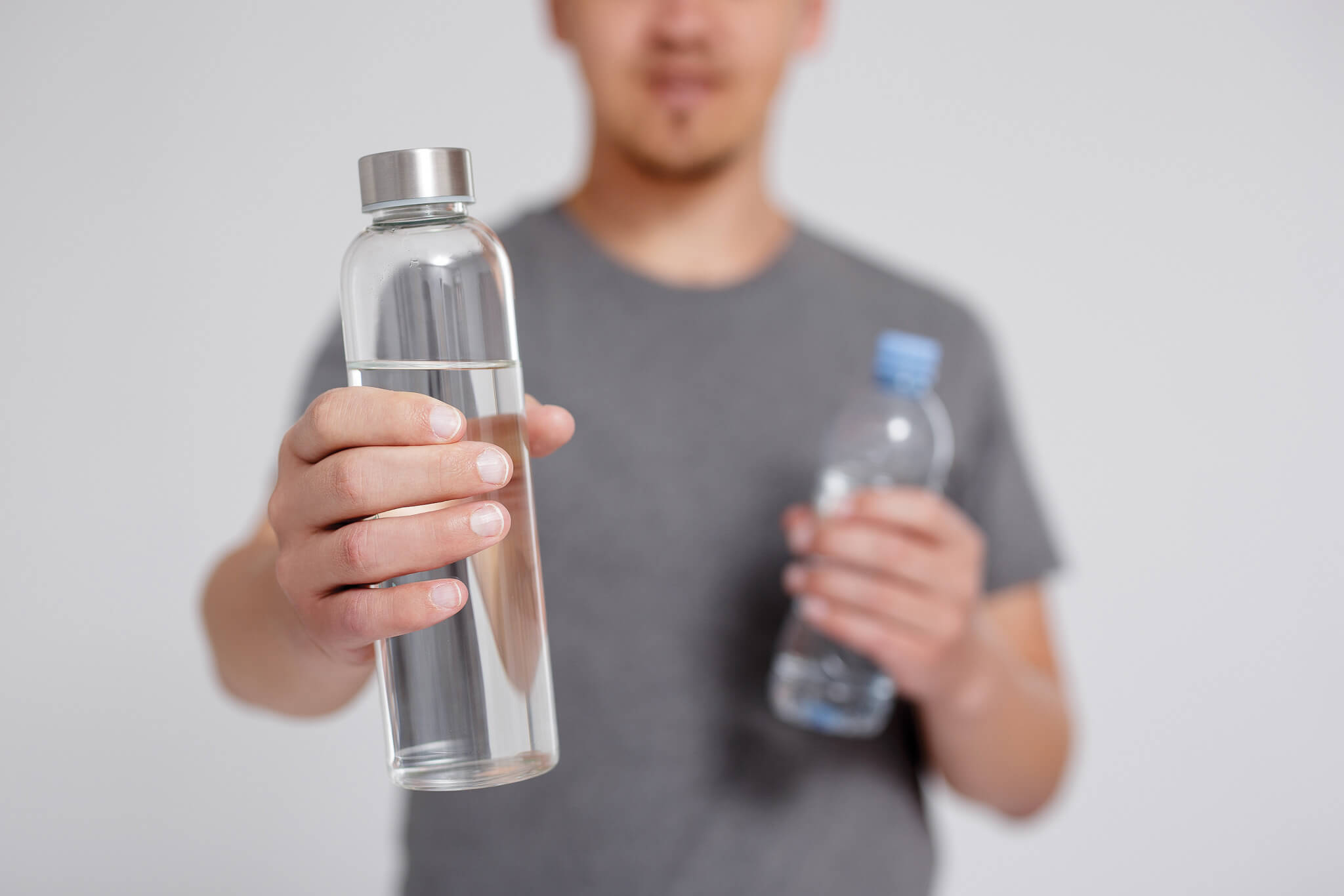
The effects of these chemicals are cumulative, so knowing where they can be found and how they move from your water bottle to your cells can inform your decision-making as a consumer. There are steps you can take to reduce your exposure. For example, reusable stainless steel and glass bottles not only help eliminate waste from plastic water bottles but also help mitigate risks from the chemicals in plastic. Plastic water bottles aren’t the only culprit lurking in your house; consider replacing your plastic food storage containers with glass or ceramic.
When you load up the car for a summer adventure, pack some peace of mind in the form of a glass or stainless steel reusable bottle.
PATRICK HANNON, PH.D., is an assistant professor of obstetrics and gynecology and a researcher in the UK College of Medicine