Winterize your home
Get set before the bitter chill
THE BEST TIME of the year to start winterizing your home is before the temperatures start to drop and snow is already on the ground.
Preparing your home for cold temperatures doesn’t have to be difficult or expensive. Understanding how to winterize your home to keep it running smoothly not only will keep you safe, but it will help keep your energy bill lower, too.
This winter, plan ahead for burst pipes, water and tree damage, and unexpected power outages. Knowing how to prepare for these common occurrences can be beneficial to you and the safety of your home.
Protecting pipes
If a pipe bursts in your home, call your electric cooperative right away. Don’t go down to the basement or touch any plugged-in appliances before your electricity is turned off.
Here’s how you can protect your pipes this winter:
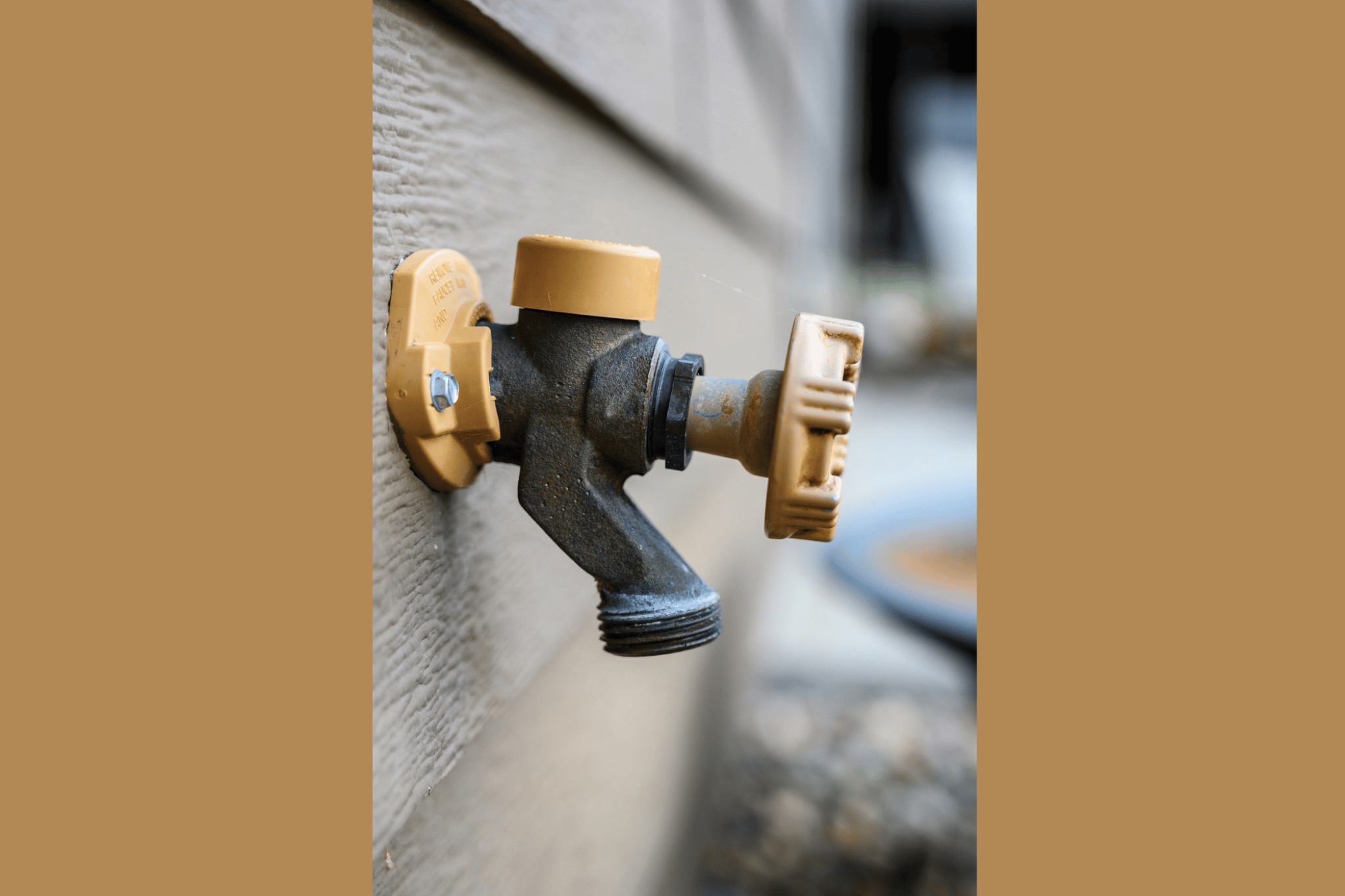
- Turn off outdoor faucets and have sprinkler systems blown out by a professional.
- Drain and disconnect outdoor hoses.
- Remove and drain window A/C units.
- Insulate pipes in exposed or unheated areas.
- Keep your thermostat above 55°.
- On especially cold days, open cabinets to let warm air reach sink pipes.
Roof damage
To avoid rooftop water damage from clogged gutters, clean your gutters after the last leaf of the season falls. This will keep ice and water from building up around the foundation of your home.
Before a winter storm hits, have a professional check the trees around your home. Dead or dying limbs on your trees will most likely fall during the first big storm, causing damage to not only your home but possibly to your neighbors’ homes as well.
Start preparing your home for winter now and enjoy the comforts of knowing you and your family will be safe from unexpected dangers in and around your home.
Winter storm prep
Be prepared for the worst. Make sure you have a fully charged battery backup for your cellphone. Assemble a winter storm kit that will get you through at least three days without leaving the house. Here are some recommendations for your kit:
- Semi- and nonperishable food items.
- Enough water for 1 gallon per person per day.
- Lamps and flashlights (don’t forget the batteries!).
- A first-aid kit stocked with essentials.
- Basic tools.
- Alternative heat source, like a fireplace or kerosene heater.
KELLY CAMPBELL is the Senior Health and Safety Specialist for Big Rivers Electric Cooperative.